
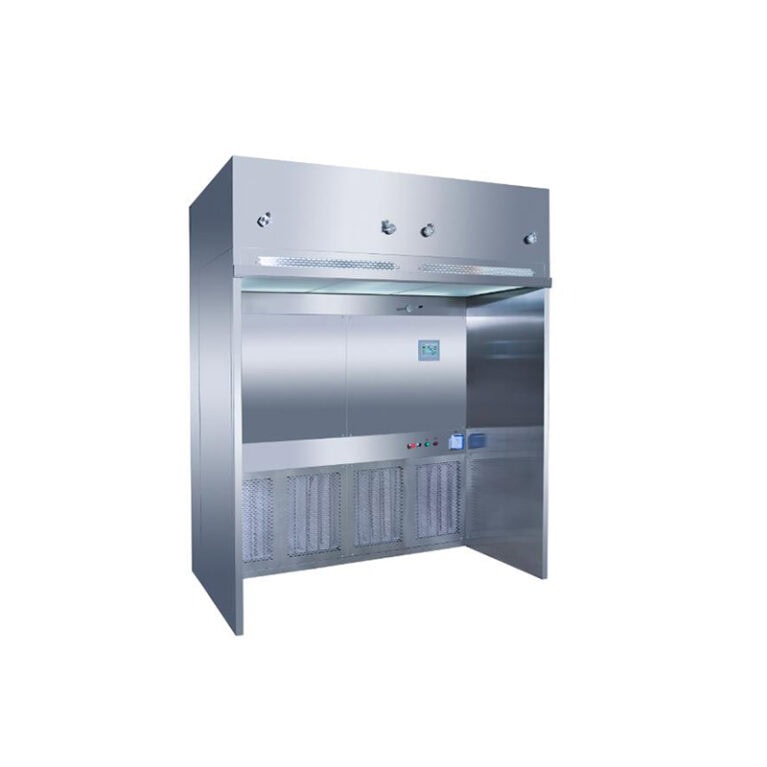
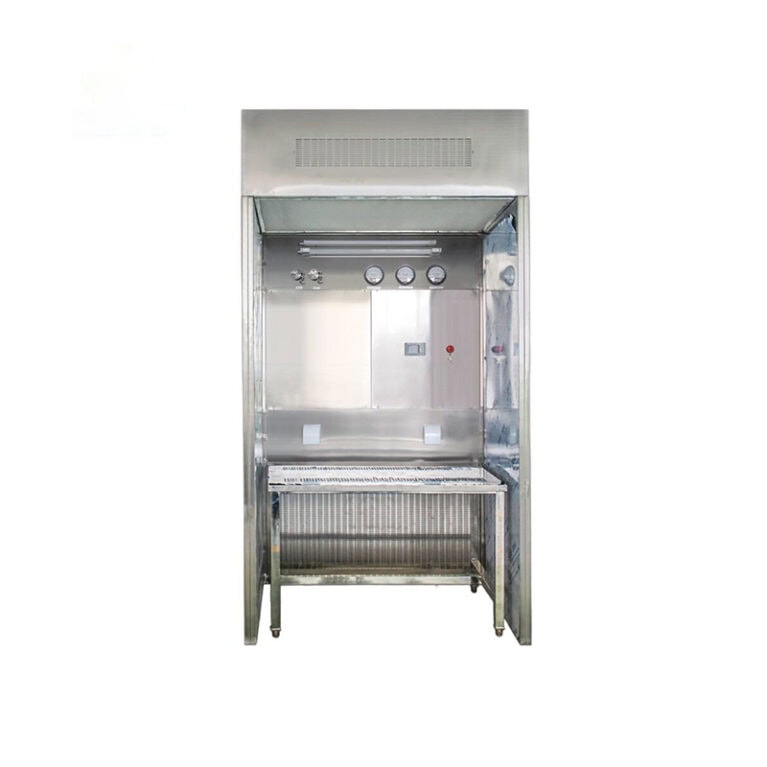
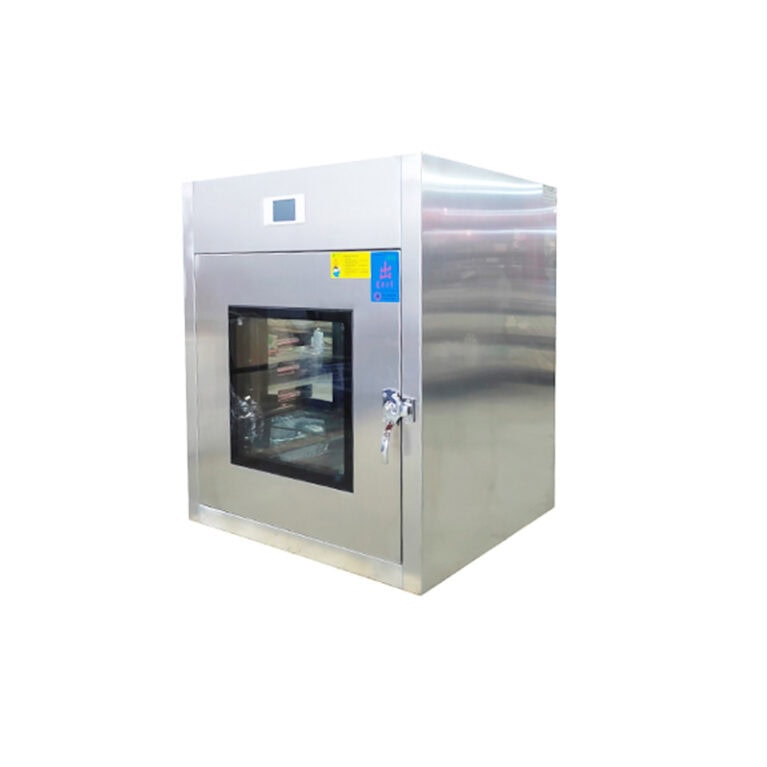
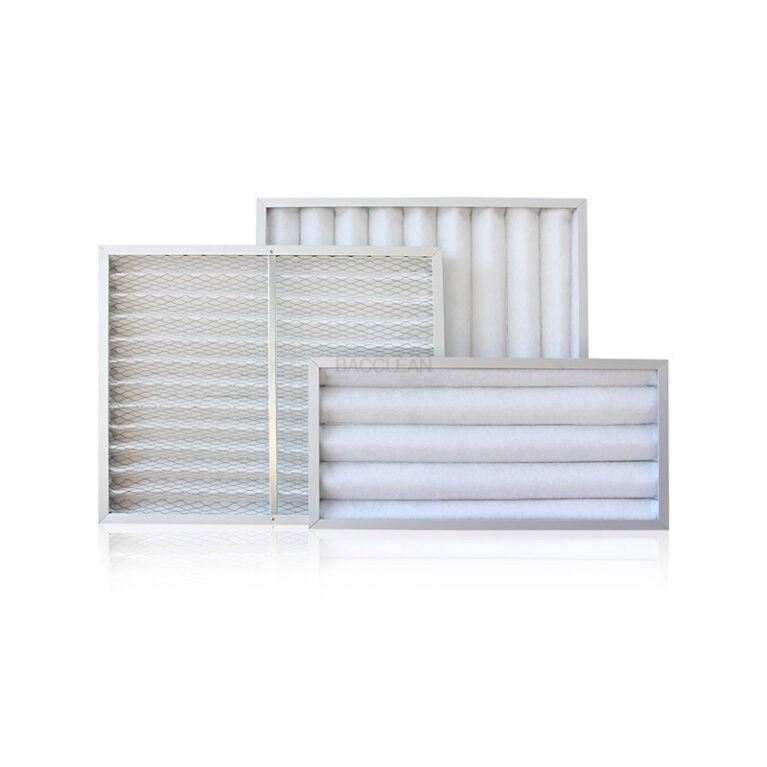
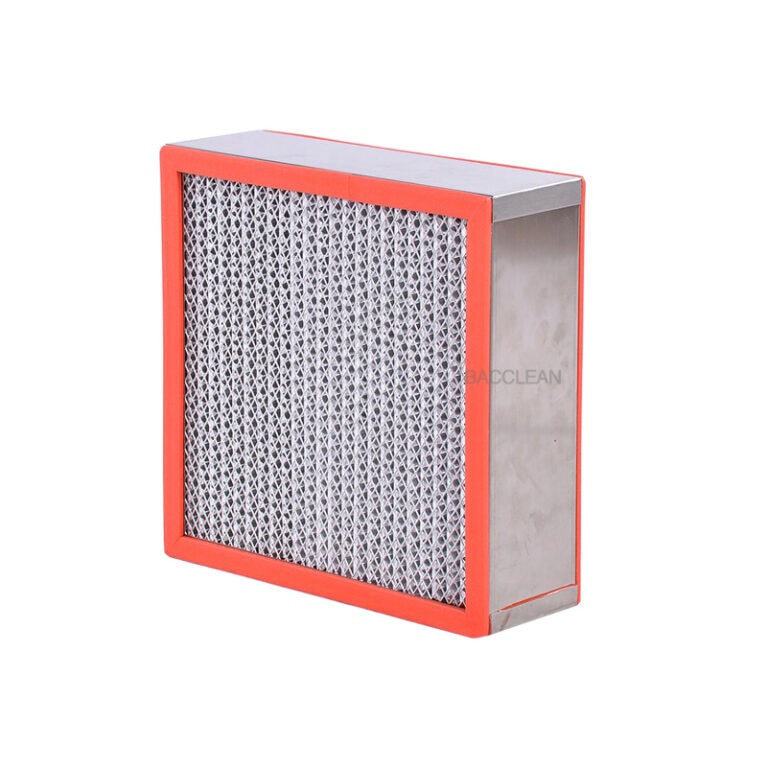
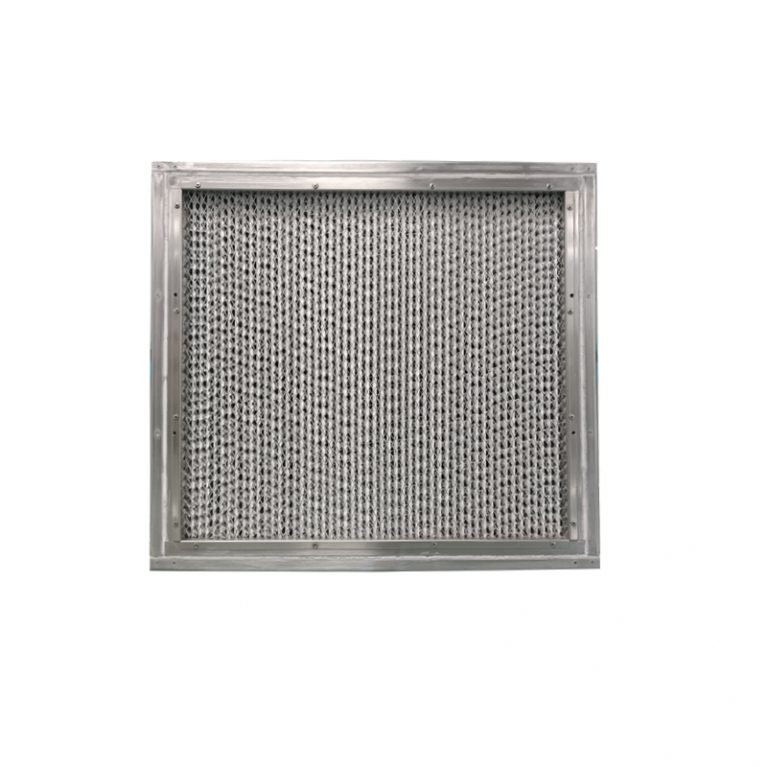
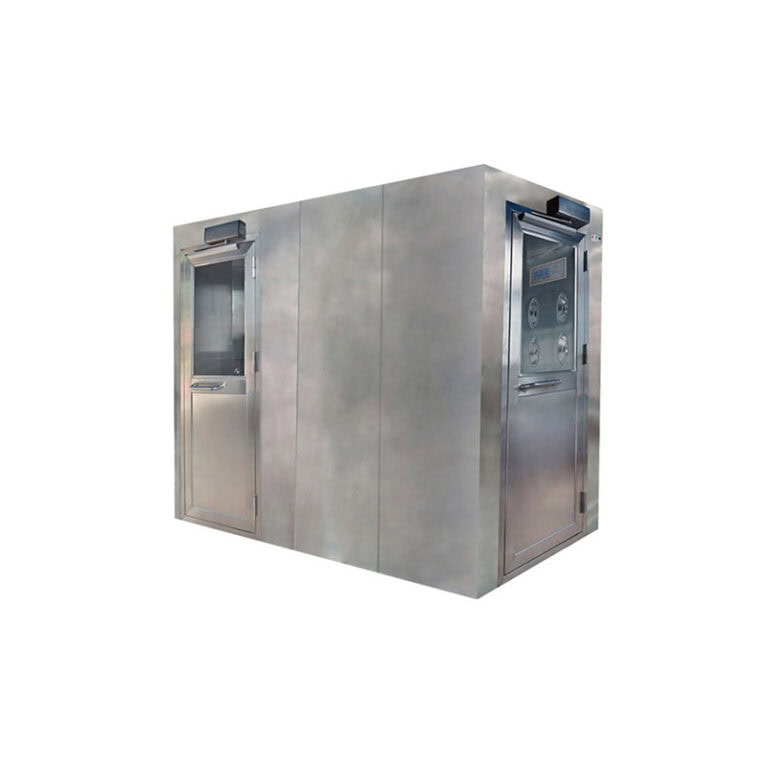
First, clarify the core concepts: A clean bench is a general term for a type of purification equipment that provides a local high-cleanliness environment. Horizontal flow workbenches and vertical flow workbenches are the two main types of clean benches classified by the direction of air circulation. These two are not separate devices from the clean bench but are two branches of the clean bench. The core differences lie in the direction of air flow, protection, and application scenarios.
I. Core Definitions
1. Clean Bench
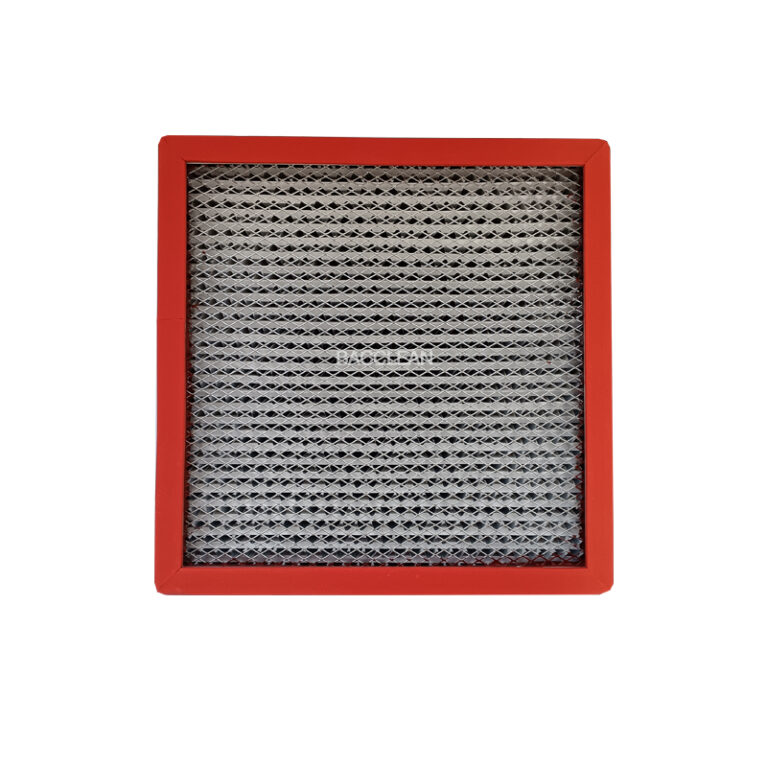
It uses three-stage filtration (initial filter, intermediate filter, and high-efficiency air filter (HEPA/ULPA)) to purify the air, and then delivers it in a laminar flow to the operation area, creating a local ISO 5-level (hundred-level) ultra-high cleanliness environment. It prevents external pollutants from entering the operation area and avoids the diffusion of pollutants within the operation area. It is widely used in research and production scenarios with extremely high cleanliness requirements.
2. Vertical Flow Clean Bench
The mainstream type of clean bench. The air flows vertically downward from the top of the clean bench and uniformly passes through the operation surface. Some of the air flows are purified through the return air inlet at the bottom of the bench and recycled, while the other part is discharged outside, forming a vertical downward laminar flow field.
3. Horizontal Flow Clean Bench
Another branch of the clean bench. The air flows horizontally forward from the rear of the operation area of the clean bench and uniformly covers the entire operation surface. It is discharged from the front of the bench, and some of the air flows are recycled for filtration, forming a horizontal forward laminar flow field.
II. Core Dimensional Comparison
| بُعد المقارنة | Vertical flow ultra-clean workstation | Horizontal flow ultra-clean workstation |
| Air flow direction | The top points vertically downward, blowing towards the operation table surface. | The airflow is directed horizontally backward and then directly towards the operation area and the operators. |
| Personnel protection capability | Excellent protective performance. The airflow flows downward and does not blow onto the operator’s face or respiratory tract. It can also prevent the aerosols and harmful particles generated by the samples from reaching the operator. | The protection is relatively weak. The air flow directly blows towards the operators. The micro-particles and aerosols generated during operation are prone to be blown onto the human body. It is only applicable to clean operations without biological hazards or toxicity. |
| Sample contamination risk | The pollution risk is extremely low. The vertical laminar flow can effectively prevent external air, hair, dander and other contaminants from entering the operation area. The probability of sample cross-contamination is low, making it suitable for multiple types and highly sensitive samples. | The pollution risk is slightly higher. The debris and clothing fibers of the operators are prone to be carried onto the sample surface by the horizontal airflow. It is only suitable for the operation of single clean samples and is not suitable for biological samples that are prone to contamination. |
| Operational convenience | There is no obstruction in front of the operation area. The space for both hands is wide, allowing for the placement of petri dishes, beakers, large containers, etc. The operation is flexible. | When the arm is inserted into the operation area, it may disrupt the horizontal laminar flow and damage the clean environment; large items are difficult to place, and the operational flexibility is slightly poorer. |
| Cleanliness stability | The laminar flow field is stable and is not easily disturbed by external factors such as opening doors or people moving around. The cleanliness maintenance effect is excellent. | The laminar flow field is susceptible to the influence of human actions and external air currents, and its stability is slightly inferior to that of the vertical flow. |
| Space occupation | The fuselage is relatively high, but the floor space is relatively small. | The fuselage is relatively deep, and the floor space is also larger. |
| Filtering loop | Top air supply, bottom air return, high circulation efficiency, and more uniform filtration effect | The air is supplied from the rear and exhausted from the front. The circulation path is short, and some of the air flows are directly discharged outside. |
III. Detailed Features and Application Scenarios
Vertical Flow Class 10000 Clean Workbench
Core Advantages: Excellent personnel protection, high sample cleanliness guarantee, stable laminar flow. It is the top choice in the fields of biology and medicine.
Applicable Scenarios:
Biological Laboratory: Cell culture, tissue culture, microbial inoculation, pathogenic bacteria detection, primary cell separation;
Pharmaceutical Industry: Aseptic drug filling, formulation preparation, drug sensitivity test;
Medical Devices: Aseptic consumable testing, implantable device operation;
Others: High-precision experiments with strict personnel safety requirements and samples prone to contamination by human factors. Horizontal flow ultra-clean workstation
Core advantages: Simple structure, low cost, air flow directly covers the operation surface, suitable for operations with pure cleanliness requirements and no biological hazards.
Applicable scenarios:
Electronic industry: Precision electronic component assembly, semiconductor packaging, wafer inspection, optical lens assembly;
Precision manufacturing: Assembly and inspection of clock parts and precision instruments;
Physical and chemical experiments: Preparation of non-volatile and non-biological hazard reagents, sample weighing;
Others: No requirements for personnel protection, only need to avoid samples being contaminated by external dust.
Four. Core selection suggestions
For biological samples, pathogenic bacteria, cell culture, and pharmaceutical aseptic operations, priority should be given to vertical flow ultra-clean workstations, to ensure personnel safety and sample cleanliness.
Only for dust prevention, dust pollution prevention, no biological hazards, no toxicity, such as electronic precision assembly, physical and chemical clean operations, horizontal flow ultra-clean workstations can be selected, to control costs while meeting cleanliness requirements.
All laminar flow operation equipment that meets the requirements of 100-level cleanliness are essentially ultra-clean workstations. Horizontal flow and vertical flow workstations and ultra-clean workstations should not be regarded separately.
