
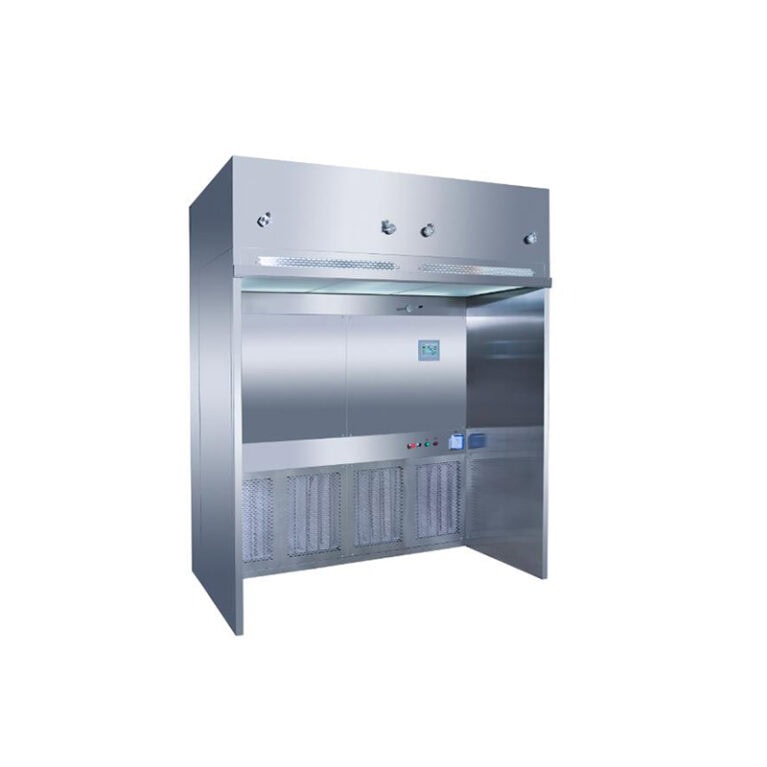
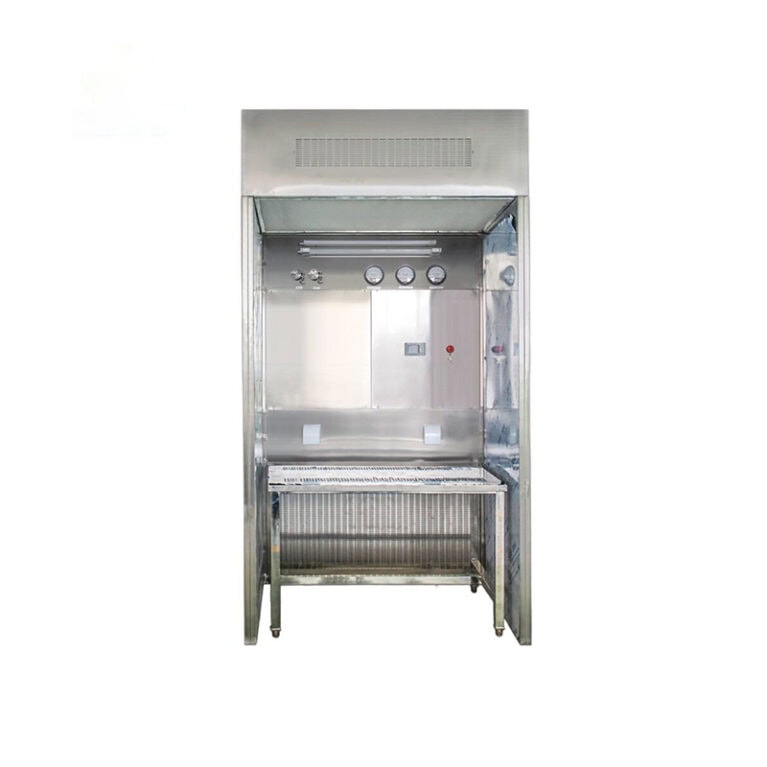
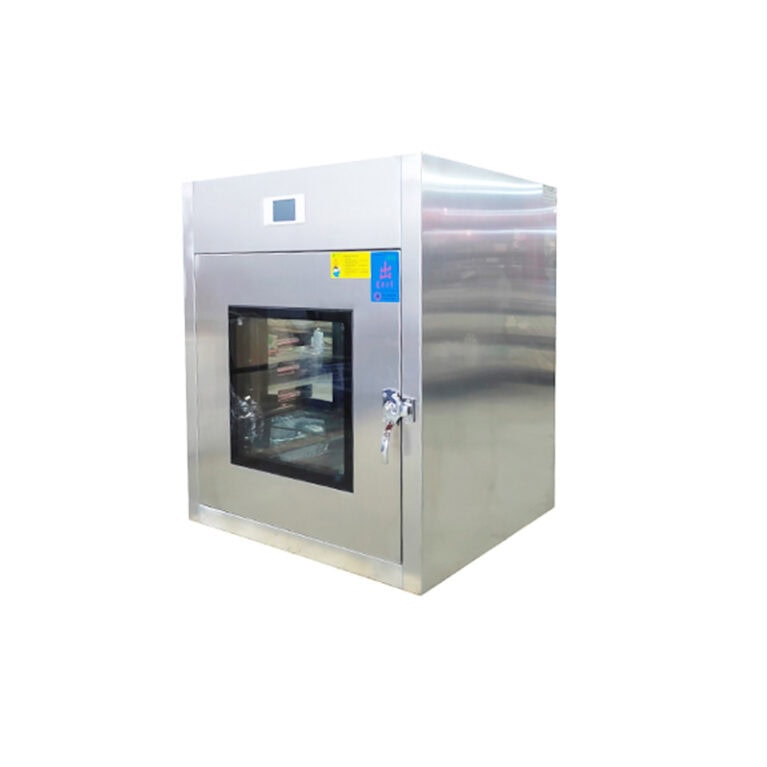
The supply air ceiling of the operating room is the core terminal equipment of the air conditioning system in the clean operating room. It achieves a high cleanliness and low bacterial concentration environment in the operating area through reasonable air flow organization and is a key facility to ensure surgical safety. Its application and maintenance must strictly follow the relevant norms of the clean operating department (such as GB 50333-2013 “Technical Code for Hospital Clean Operating Department Buildings”).
I. Core Applications of Air Supply Ceilings in Operating Rooms
1. Application scenarios and compatibility levels
Supply air ceilings are mainly used in Class I to III clean operating rooms. Different grades of operating rooms have different performance requirements for them
Class I (Class 100) operating room: It is suitable for surgeries with extremely high aseptic requirements such as cardiac surgery and neurosurgery. It should adopt a vertical laminar flow type air supply ceiling. The airflow should flow vertically downward at a speed of 0.25 to 0.30m/s, evenly covering the operating table to form a “clean air flow barrier” and isolate surrounding contamination.
Class II to III (Class 1,000 to 10,000) operating rooms: Suitable for routine surgeries in orthopedics, general surgery, etc. They can adopt local laminar flow or diffused air supply ceilings to ensure the cleanliness of the operating area while maintaining the overall temperature and humidity balance of the operating room.
2. Role of Core technologies
Control the concentration of particulate matter and bacteria: Through primary, medium and high-efficiency three-stage filtration, dust particles and microorganisms in the air are filtered out to ensure that the bacterial concentration in the surgical area is ≤0.2cfu/ (30 minutes · 90mm diameter petri dish).
Optimize airflow organization: Vertical laminar flow can quickly carry away droplets, aerosols and other contaminants generated during the operation, preventing the contaminants from spreading to the surgical wound.
Auxiliary regulation of temperature and humidity: In conjunction with the clean air conditioning system, the supply air temperature is controlled at 22 to 25℃ and the relative humidity at 40% to 60%, enhancing the comfort of medical staff and patients.
Ii. Standardized Maintenance of Air Supply Ceilings in Operating Rooms
The maintenance of the supply air ceiling directly affects the cleanliness of the operating room. It should be divided into three dimensions: daily maintenance, regular maintenance, and special maintenance. Moreover, the maintenance operation should be carried out after the operating room has been cleaned and disinfected to avoid secondary pollution.
1. Daily maintenance (daily/Before and after each surgery
Appearance and cleaning: Use a lint-free cloth dipped in neutral detergent to wipe the ceiling panels and diffuser plates of the supply air system to remove surface dust and stains. Corrosive cleaning agents are prohibited to prevent panel deformation and seal failure.
Operation status check: After starting up, observe whether the sound of the fan operation is normal, and whether there is any abnormal noise or vibration. Monitor the pressure difference before and after the high-efficiency filter through a differential pressure gauge. If the pressure difference exceeds twice the initial pressure difference, it is necessary to record it in time and prepare for replacement.
Airflow uniformity confirmation: Use an anemometer to randomly check the wind speed at key points in the surgical area to ensure that the wind speed is within the specified range, avoiding the floating of the surgical towel due to excessively high wind speed or the impact on the cleaning effect due to excessively low wind speed.
2. Regular maintenance (carried out periodically)
| Maintain the project |
Maintenance cycle |
Specific operation |
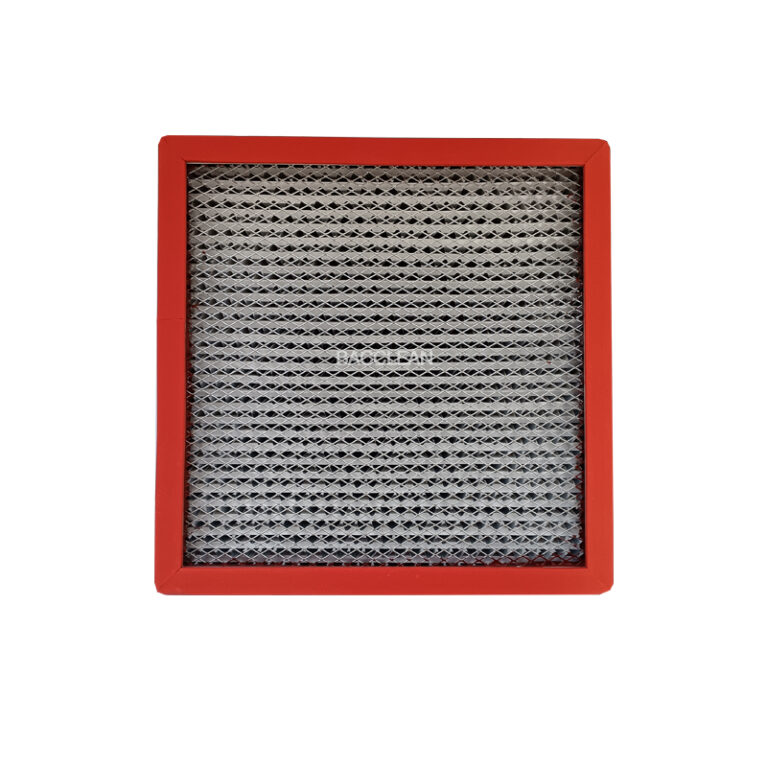
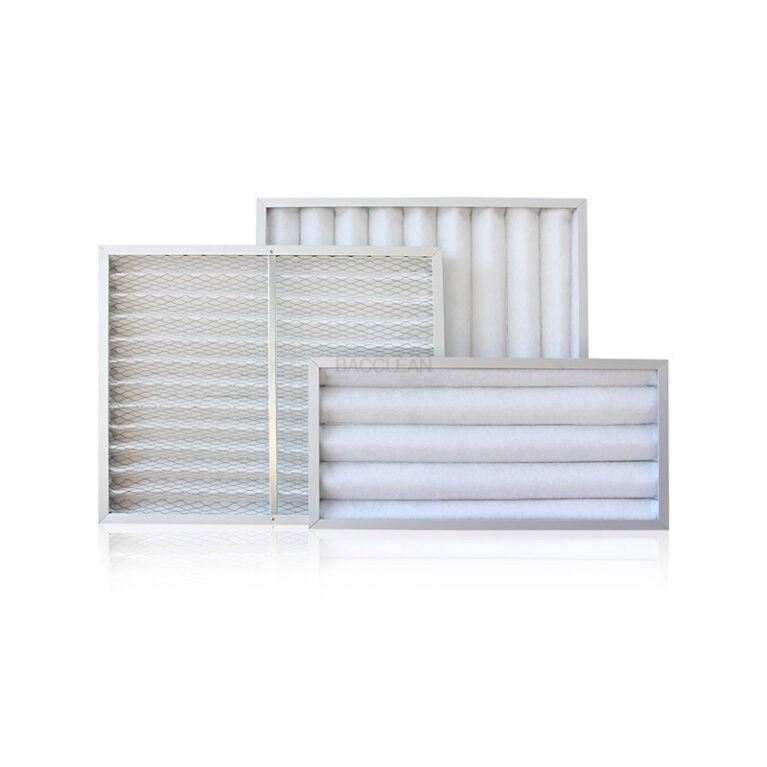
| Replace the primary filter | One week | Disassemble the filter frame, replace the new filter screen, and ensure a tight seal without any air leakage gaps during installation |
| Replacement of medium-efficiency filters | One month | Operate in the same way as the primary filter. After replacement, record the initial value of the pressure difference |
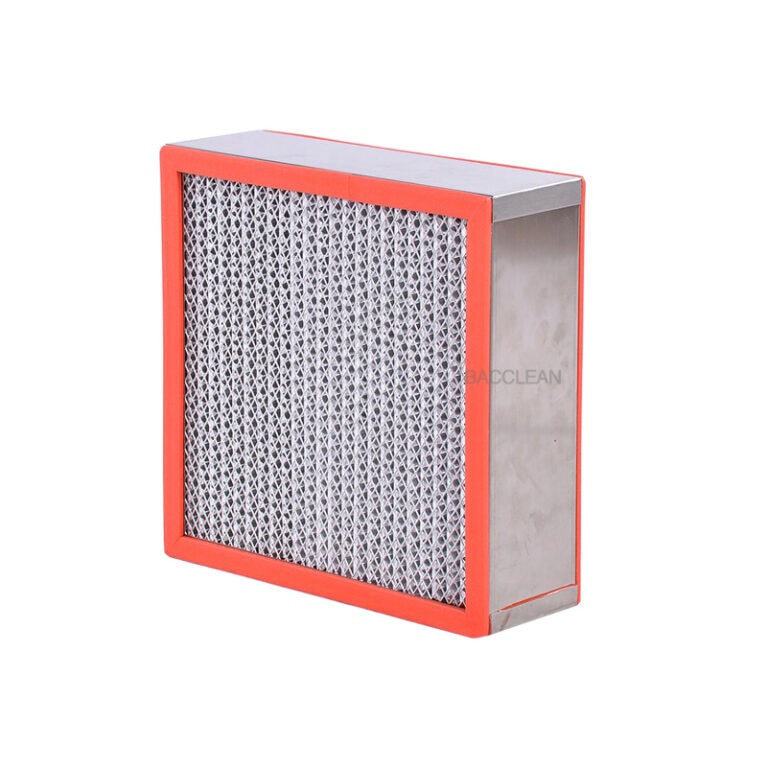
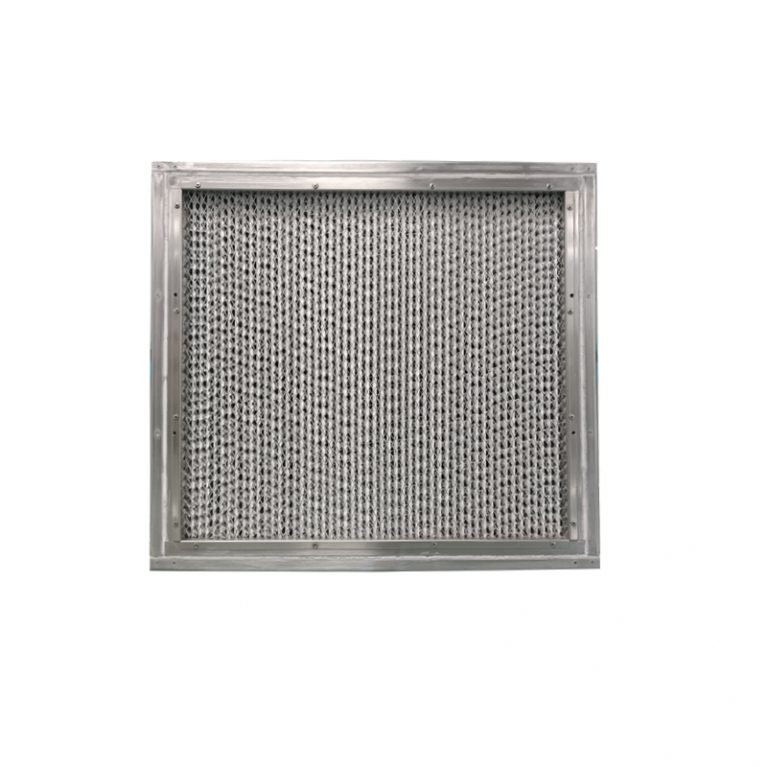
| Inspection and replacement of high-efficiency filters | 6 months/When the pressure difference exceeds the standard |
1. Leak detection tests should be conducted using the PAO aerosol method. If the leakage rate is greater than 0.01%, sealing or replacement is required. 2. When replacing the high-efficiency filter, it is necessary to operate in a sterile environment to avoid filter damage; 3. After replacement, retest the wind speed and pressure difference to ensure they meet the standards |
| Fan maintenance | One year | Disassemble the fan casing and clean the dust accumulated on the fan impeller. Check the wear of the bearings and add lubricating oil. Test the insulation performance of the motor to prevent leakage |
| Seal inspection | Three months | Check the sealing rubber strips between the supply air ceiling and the suspended ceiling, as well as between the filter and the frame. If they show signs of aging or cracking, replace them in time to prevent air leakage |
3. Common Faults and Their Handling
| ظاهرة الخلل | الأسباب المحتملة | طريقة المعالجة |
| The wind speed in the surgical area has decreased significantly | The primary/medium efficiency filters are clogged. The high-efficiency filter is seriously dusty | Replace the clogged filter; If the pressure difference of the high-efficiency filter exceeds the standard, replace it directly |
| The airflow distribution is uneven, with local vortices |
The diffuser plate is clogged. The filter is not installed flat |
Clean the air outlet of the diffuser plate; Readjust the installation position of the filter to ensure it is level |
| The fan operates with loud noise and severe vibration | The impeller is dusty and unbalanced. Bearing wear | Clean the impeller; Replace the worn bearings |
| The cleanliness test failed to meet the standard | Filter leakage; The sealing rubber strip has failed | Perform leak detection and sealing on high-efficiency filters; Replace the aged seals |
4. Maintenance Precautions
Maintenance personnel must wear clean suits, masks and gloves, and strictly disinfect before entering the operating room.
After replacing the high-efficiency filter, the operating room needs to undergo self-cleaning operation (for ≥30 minutes), followed by a cleanliness test. Only after passing the test can it be used.
Establish a maintenance ledger to record the time of each maintenance, replaced parts, and inspection data, facilitating traceability management.
Iii. Suggestions for Extended Management
The maintenance of the supply air ceiling should be coordinated with the overall clean system of the operating room. Regular maintenance should be carried out on the clean air conditioning unit and the return air system. At the same time, the maintenance cycle should be adjusted according to the number of surgeries (for example, in an operating room with a high volume of surgeries, the filter replacement cycle can be shortened).
