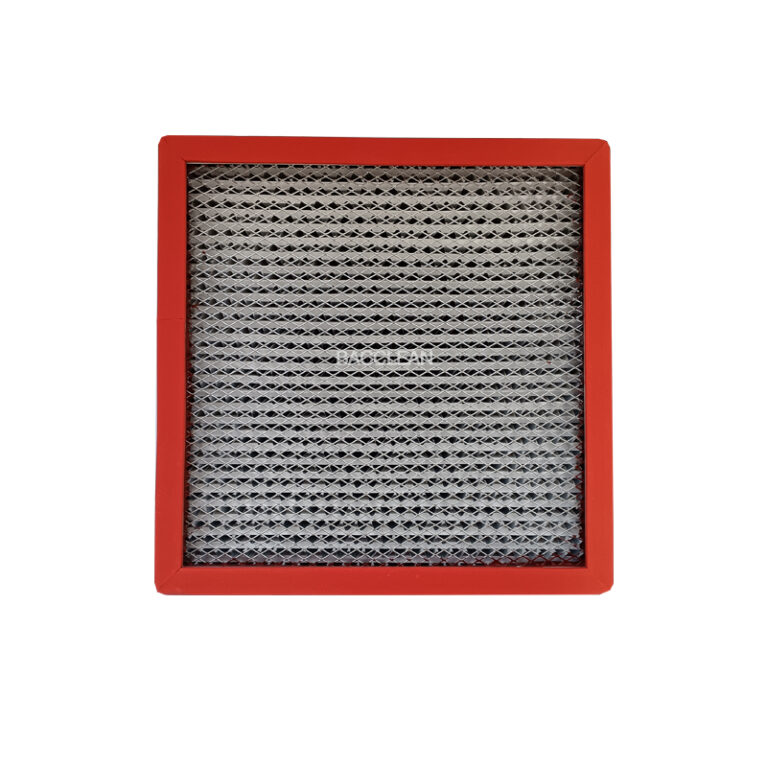
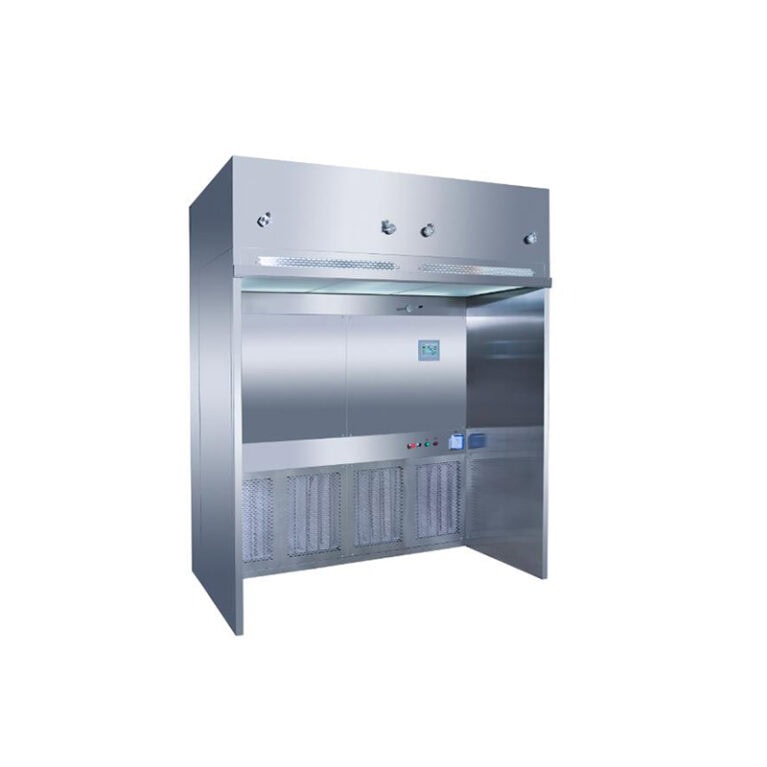
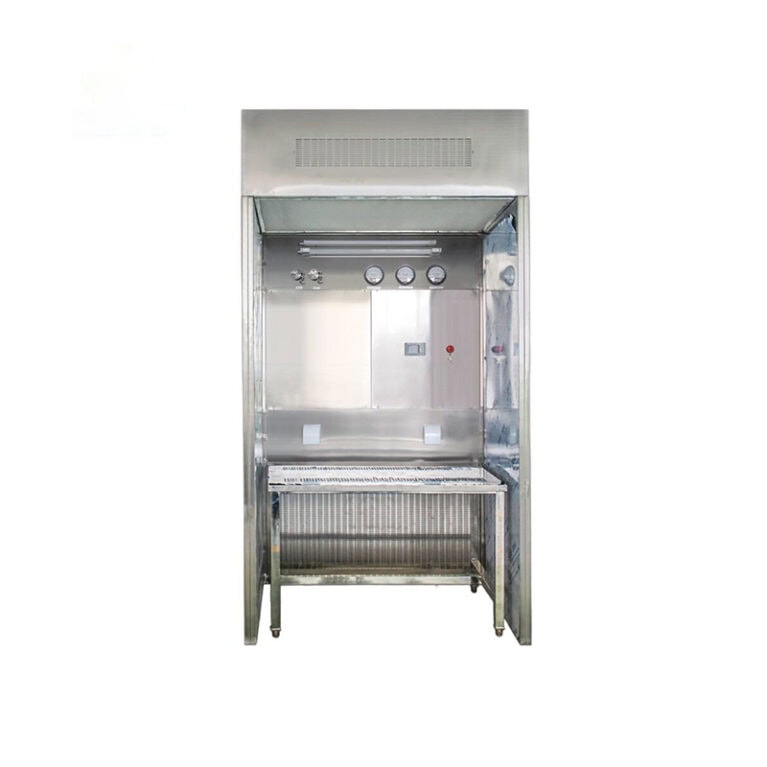
To determine whether the high-efficiency filters (HEPA/ULPA) of the supply air ceiling in the operating room need to be replaced, it is necessary to combine three core dimensions: differential pressure monitoring, performance testing, and service life, and at the same time follow the requirements of GB 50333-2013 “Technical Code for Building Clean Operating Rooms in Hospitals”. The specific judgment method is as follows:
1. Differential pressure monitoring (core judgment basis)
The resistance of high-efficiency filters will increase with the increase of dust accumulation. The pressure difference is the most direct indicator for judgment. The operation steps are as follows:
Record the initial pressure difference
After the new filter is installed and the self-cleaning operation meets the standards, record the initial pressure difference before and after the high-efficiency filter. This value will be retained as a reference value.
Daily monitoring comparison
During normal operation, regularly check the reading of the differential pressure gauge that comes with the supply air ceiling.
When the actual pressure difference reaches 1.8 to 2 times the initial pressure difference, replacement should be arranged immediately. If the pressure difference exceeds twice the initial pressure difference and the operation continues, it will cause a sudden drop in the supply air velocity and disorder in the air flow organization, directly damaging the cleanliness of the surgical area.
Supplementary: If the pressure difference drops sharply and suddenly, it may be due to a damaged filter or a failed seal, rather than the need for replacement. A leak test should be conducted immediately.
2. Performance testing (Auxiliary basis for judgment)
When the pressure difference approaches the warning value or when there is suspicion of a decline in the filter’s performance, professional testing and verification are required
PAO aerosol leak detection test
The PAO smoke is released upstream of the filter by an aerosol generator, and the leakage rate downstream is detected by a photometer. If the local air leakage rate is greater than 0.01%, it indicates that the filter material of the filter is damaged or the frame seal has failed. It cannot be repaired by cleaning and needs to be replaced directly.
Detection of cleanliness and bacterial concentration
If the number of dust particles and the concentration of bacteria in the surgical area continue to exceed the standard after the self-cleaning of the operating room, and factors such as air conditioning unit failure, poor sealing of the supply air ceiling, and contamination by personnel operation are ruled out, it can be determined that the filtration performance of the high-efficiency filter has failed and needs to be replaced.
Wind speed detection
The average wind speed across the surgical area was measured with an anemometer. If the wind speed remains persistently below 0.25m/s (for Class I operating rooms) or falls below the lower limit of wind speed for corresponding grade operating rooms, and the wind speed does not rise after replacing the primary and medium-efficiency filters, it indicates that the high-efficiency filter is severely clogged and needs to be replaced.
3. Service life (Reference basis for judgment
Based on the usage frequency of the operating room, set the replacement cycle as a reference:
For conventional Grade I to III operating rooms, if the number of surgeries is moderate (1 to 3 surgeries per day), it is recommended that the high-efficiency filters be replaced every 6 to 12 months.
Operating rooms with a high volume of surgeries (≥5 per day) or those involving infectious surgeries should be evaluated and replaced within 3 to 6 months.
Note: The cycle is for reference only. The final results should be based on the pressure difference and performance test results. Avoid premature replacement, which may cause waste, or use beyond the period, which may lead to infection risks.
Replacement Precautions
The replacement must be carried out after the operating room has been thoroughly cleaned and disinfected. Maintenance personnel should wear sterile clean suits, gloves and masks.
When installing a new filter, it is necessary to ensure that the sealing rubber strip of the frame is tightly pressed and there are no air leakage gaps. After installation, leak detection and wind speed tests must be conducted. Only after passing the tests can it be put into use.