To determine whether the filter of an air purification and disinfection machine needs to be replaced, four dimensions should be considered: filter type, usage duration, equipment performance, and sensory experience. The criteria for judging different filters vary significantly. The specific methods are as follows:
1. Make targeted judgments based on the type of filter screen
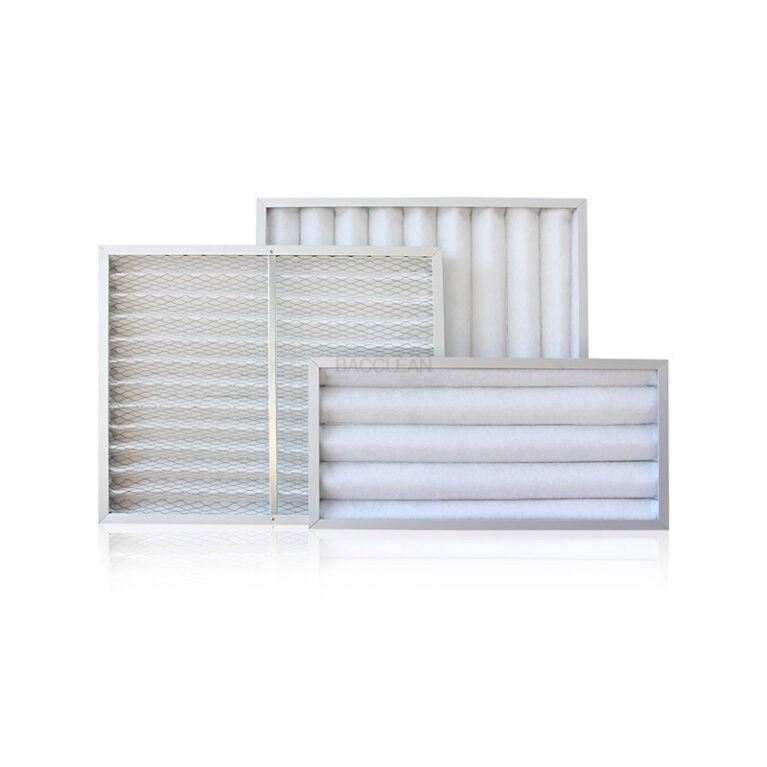
1. Primary filter screen (washable, needs to be replaced regularly
The primary filter screen mainly intercepts hair and large particles of dust. The core basis for determining replacement is the filtration efficiency after cleaning and the condition of the filter screen
If the filter screen is still deformed, damaged or has pilling fibers after cleaning, and cannot closely fit the card slot, unfiltered air will directly enter the interior of the equipment. At this point, it needs to be replaced.
Within the same period, if the dust accumulation speed at the air inlet significantly accelerates, or if the air volume decreases within 1-2 weeks after cleaning, it indicates that the filter mesh diameter has been clogged and lost its filtering capacity.
Regular replacement cycle: After repeated cleaning 3 to 5 times, it is recommended to replace even if the appearance is intact. In highly polluted environments (such as construction sites and livestock farms), the frequency can be shortened to 2 to 3 times.
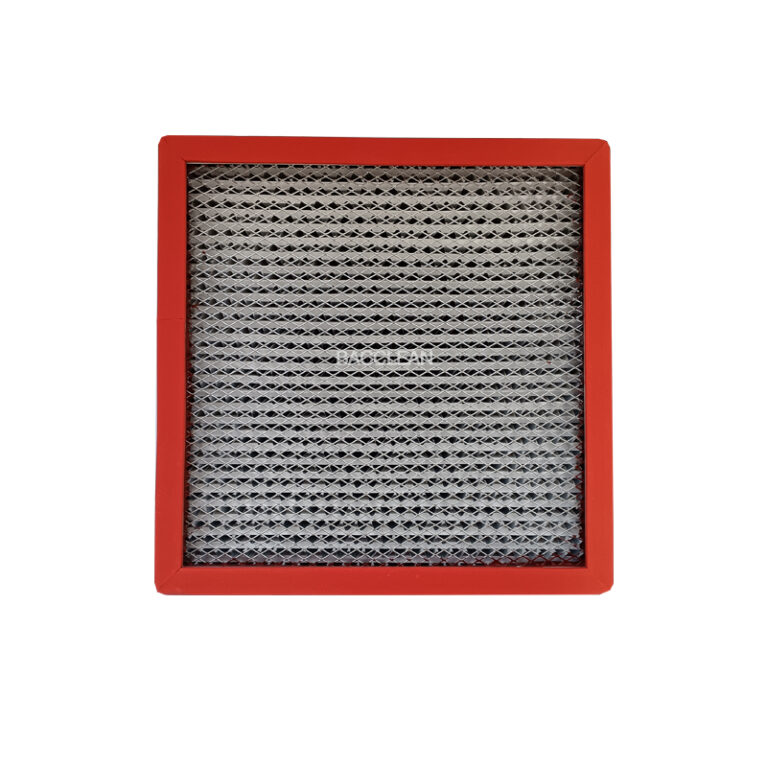
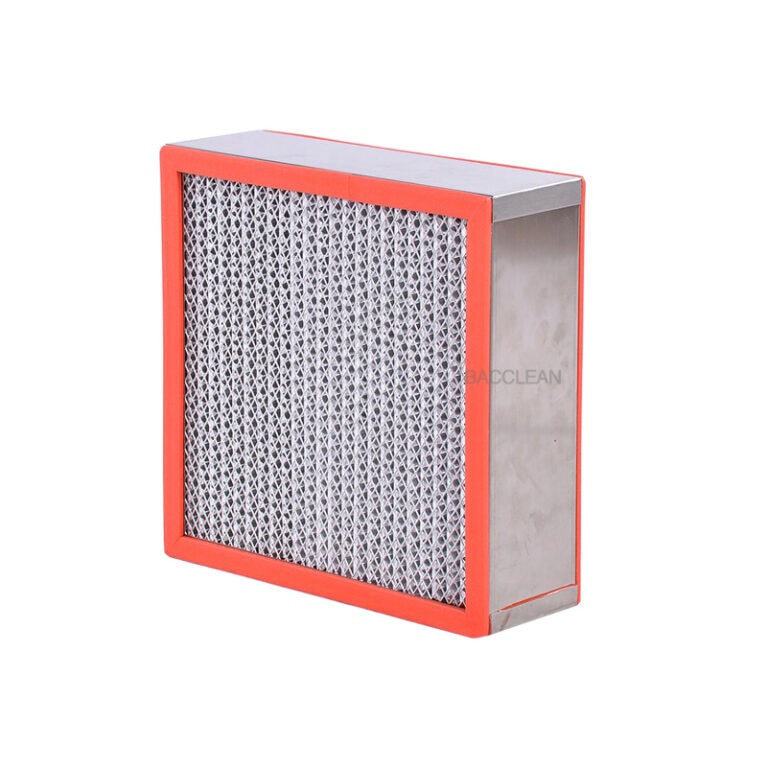
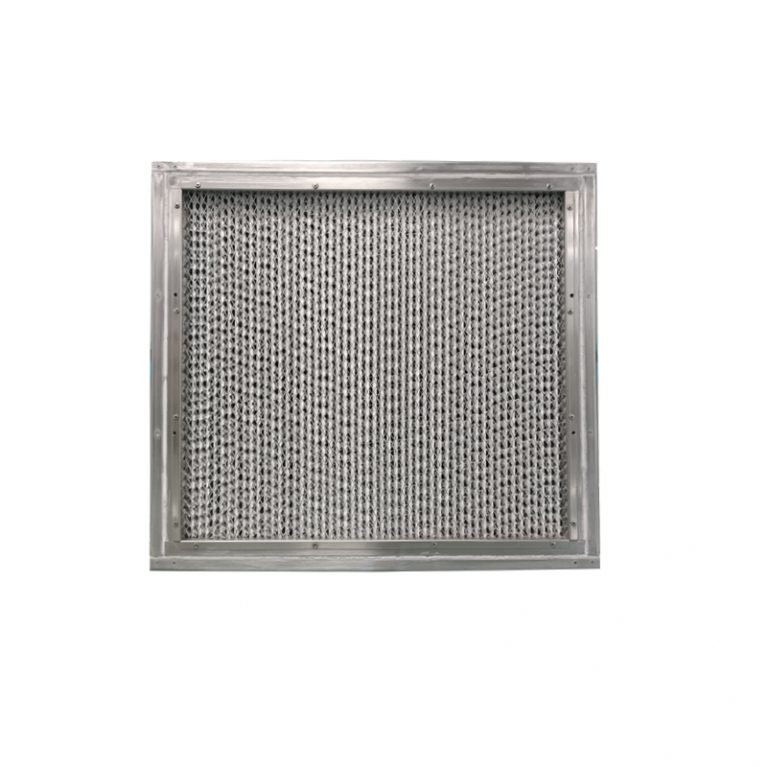
2. Medium and high-efficiency HEPA filters (not washable and must be replaced regularly)
HEPA filters are the core for purifying particulate matter, and the signal for replacement is the most intuitive:
Device reminder: Most smart models come with a HEPA filter replacement indicator light. When the light is on, it indicates that the filter’s lifespan is exhausted.
Air volume and noise: Clogging of the filter screen will cause a significant reduction in the air volume at the outlet, and at the same time, the operating noise of the fan will increase (the fan needs to increase its power for air supply), and there is no improvement even after cleaning the primary filter screen.
Purification effect: After the equipment is turned on, the indoor PM2.5 value and dust visible to the naked eye (such as dust raised under sunlight) cannot drop rapidly. If the symptoms (sneezing, coughing) of the allergic population do not improve, it indicates that the filtration efficiency of the filter screen has failed.
Appearance and odor: If the surface of the filter screen shows large areas of blackening, yellowing, mold, or emits a musty or dusty smell, it should be replaced immediately even if it has not reached the end of its service life to avoid secondary pollution.
Service life: Replace every 3 to 6 months under normal conditions. Hospitals and areas with severe smog should be replaced every 1 to 2 months.
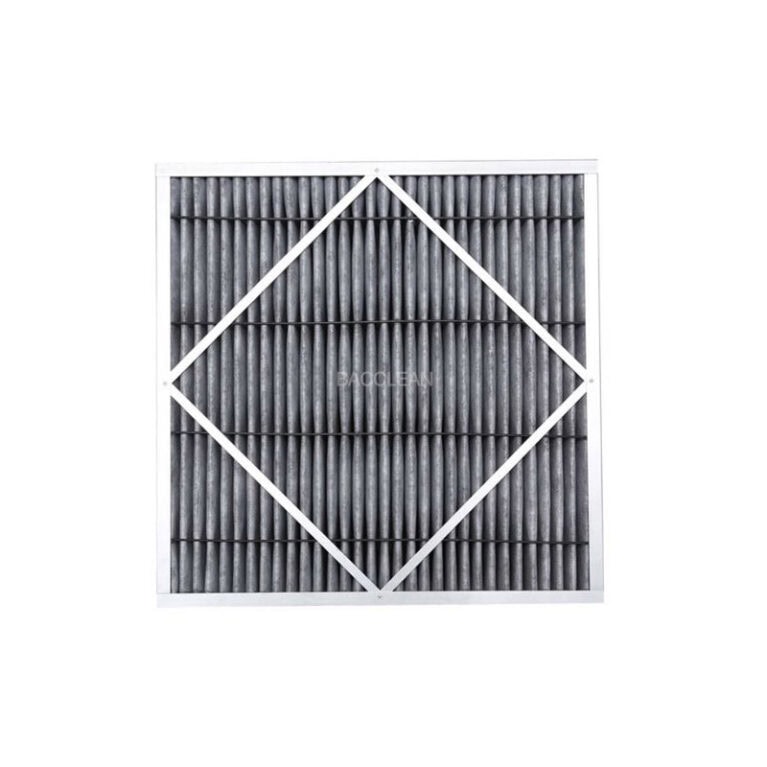
3. Activated carbon filter screen (must be replaced after adsorption saturation)
Activated carbon filters are used to adsorb formaldehyde, odors and VOCs. The core for determining replacement is the degree of adsorption saturation
Odor rebound: If there is a pungent smell of formaldehyde, cooking oil fumes, pet odors, etc. in the room again, and the equipment has been running for more than 24 hours without improvement, it indicates that the activated carbon has become saturated and can no longer adsorb, and may even release the harmful gases it has adsorbed.
Filter screen condition: Activated carbon particles fall off the surface of the filter screen, the filter screen is damp and has lumps, or when you gently pinch the filter screen with your hand, there is obvious dust falling off.
Service life: Replace every 2 to 3 months under normal conditions. Newly renovated houses and dining places need to be replaced within one month.
Ii. General Judgment Skills
Based on the usage scenarios for adjustment: In scenarios with high pollution concentrations such as medical and industrial clean rooms, the replacement cycle should be shortened by 20% to 30%. At the same time, the particulate matter concentration at the air outlet should be regularly tested with professional instruments. If it exceeds the standard, it should be replaced immediately.
Don’t rely solely on the naked eye to judge: Some HEPA filters may seem clean on the surface, but the internal fibers have been clogged by fine particles, resulting in a significant drop in filtration efficiency. The main basis should be the usage time and the performance of the equipment.
If the filter screen gets damp, it needs to be replaced immediately: If the filter screen gets damp due to a humid environment or water leakage in the water tank, it should be replaced even before the expiration date. A humid environment is very likely to breed bacteria and mold.
Iii. Precautions
When replacing the filter screen, it is necessary to choose the original factory product of the same model to avoid air leakage caused by the filter screen size not matching, which may affect the purification and disinfection effect.
Used filter screens should be sealed and discarded, especially HEPA filter screens used in medical Settings, to prevent the spread of attached pathogenic microorganisms.