
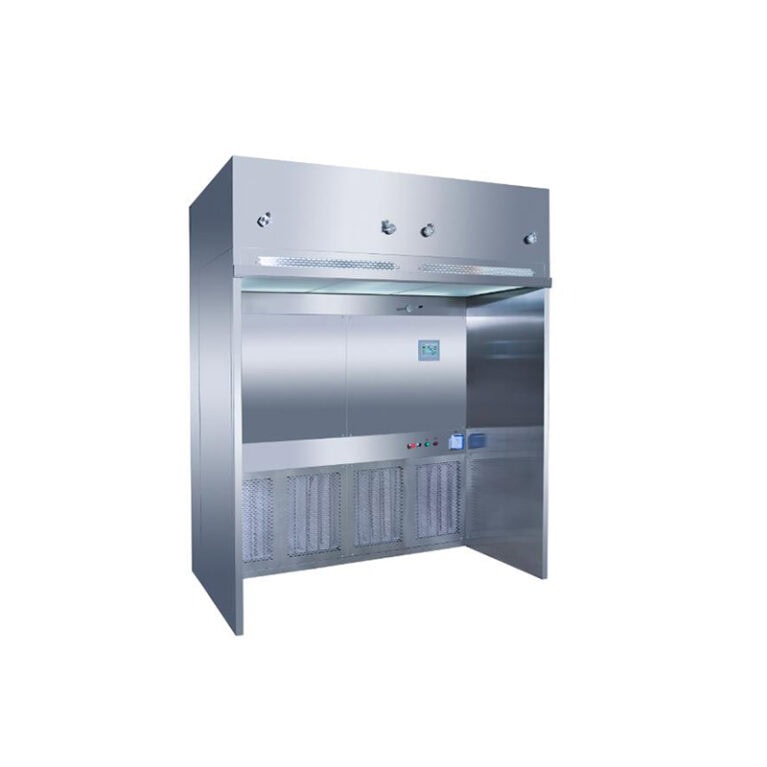
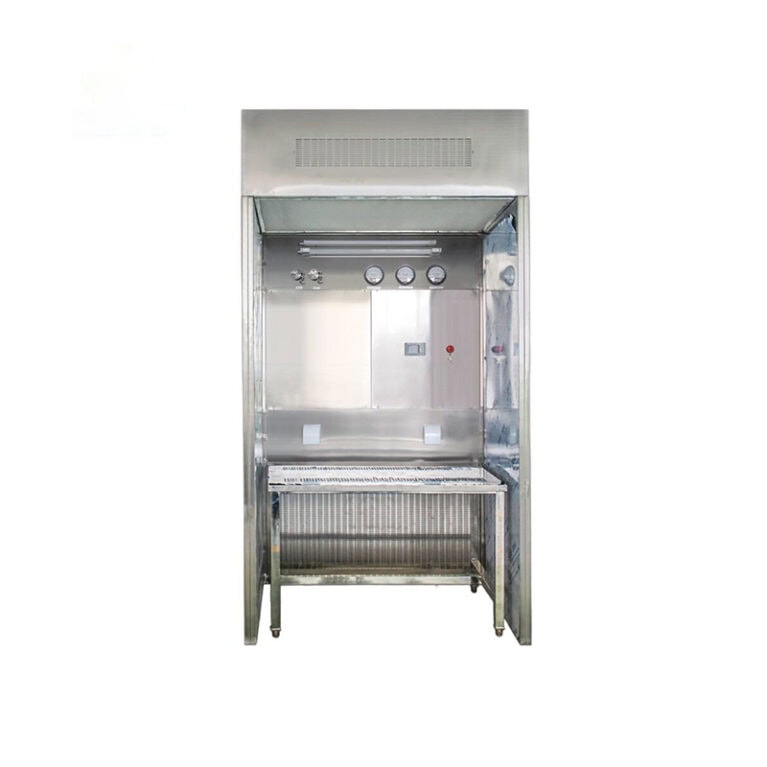
باعتبارها معدات رئيسية لتوفير بيئة محلية عالية النظافة، يعتمد الاستقرار التشغيلي وتأثير التنقية لأغطية التدفق الصفحي بشكل مباشر على الصيانة والعناية اليومية الموحدة. لا تؤدي الصيانة والعناية العلمية إلى إطالة عمر خدمة المعدات فحسب، بل تضمن أيضًا أنها تلبي باستمرار متطلبات النظافة في مجالات التطبيق المختلفة. فيما يلي طرق الصيانة والعناية اليومية المفصلة:
I. الفحص والتنظيف اليومي
1. التنظيف اليومي للأسطح: كل يوم، استخدم قطعة قماش نظيفة خالية من الوبر مغموسة في منظف محايد لمسح الغلاف الخارجي وسطح طاولة التشغيل ونافذة المراقبة لغطاء التدفق الصفحي برفق. تجنب استخدام مواد التنظيف شديدة التآكل لمنع تلف طلاء السطح وأختام المعدات. بعد التنظيف، امسحه بماء نقي لضمان عدم وجود بقايا مواد التنظيف ولمنع تطاير المواد المتبقية من تلويث المنطقة النظيفة.
2. فحص حالة التشغيل: قبل بدء تشغيل الماكينة كل يوم، تحقق من مصدر طاقة الجهاز وحالة تشغيل المروحة، ولاحظ ما إذا كانت المروحة بها أي ضوضاء أو اهتزازات أو حالات أخرى غير طبيعية. في الوقت نفسه، تحقق مما إذا كانت أضواء المؤشر، ومقاييس الضغط (إن وجدت)، وشاشات عرض الأدوات الأخرى طبيعية. لا ينبغي تشغيل الجهاز وتشغيله إلا بعد التأكد من أن الجهاز في حالة الاستعداد العادية.
3. مراقبة تدفق الهواء النظيف: من خلال مراقبة أجهزة مؤشر تدفق الهواء داخل شفاط التدفق الصفحي (مثل خيط الحرير والكشف عن مولد الدخان الإضافي)، تحقق يوميًا مما إذا كان تدفق الهواء منتظمًا ومستقرًا وخاليًا من الدوامات أو انقطاع تدفق الهواء. إذا تم اكتشاف تدفق هواء غير طبيعي، يجب التحقيق في السبب على الفور.
II. صيانة المكونات الأساسية
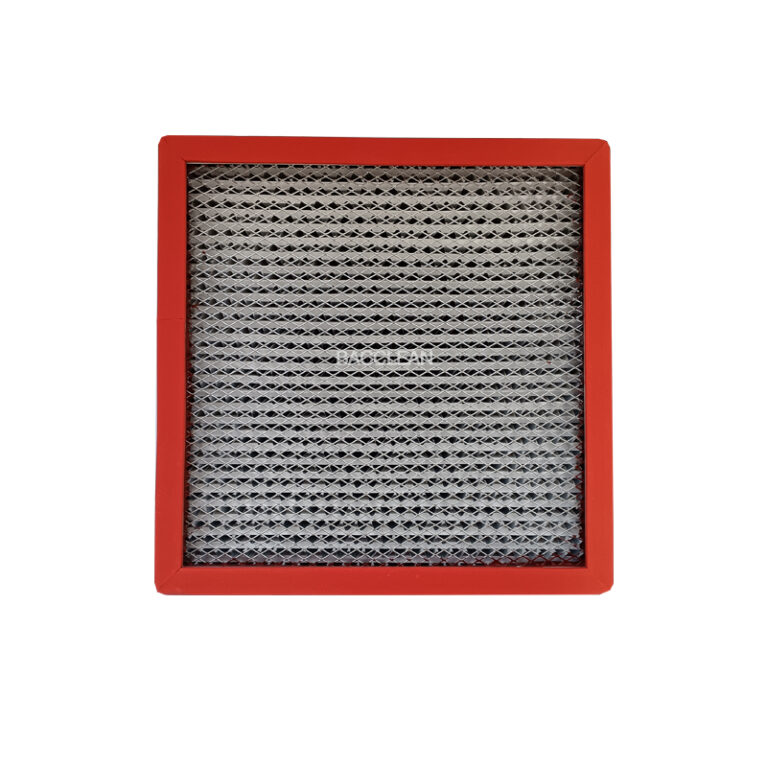
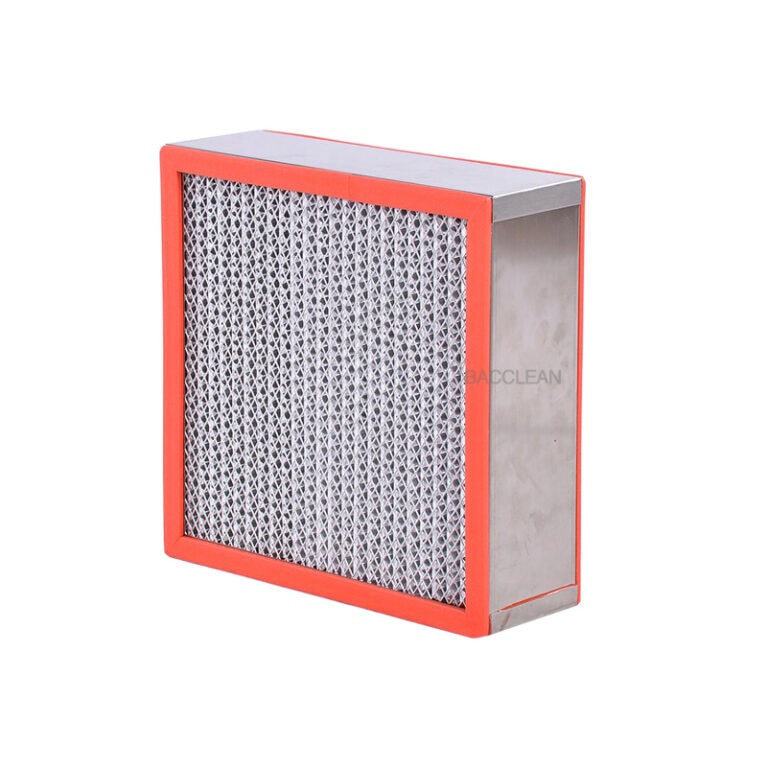
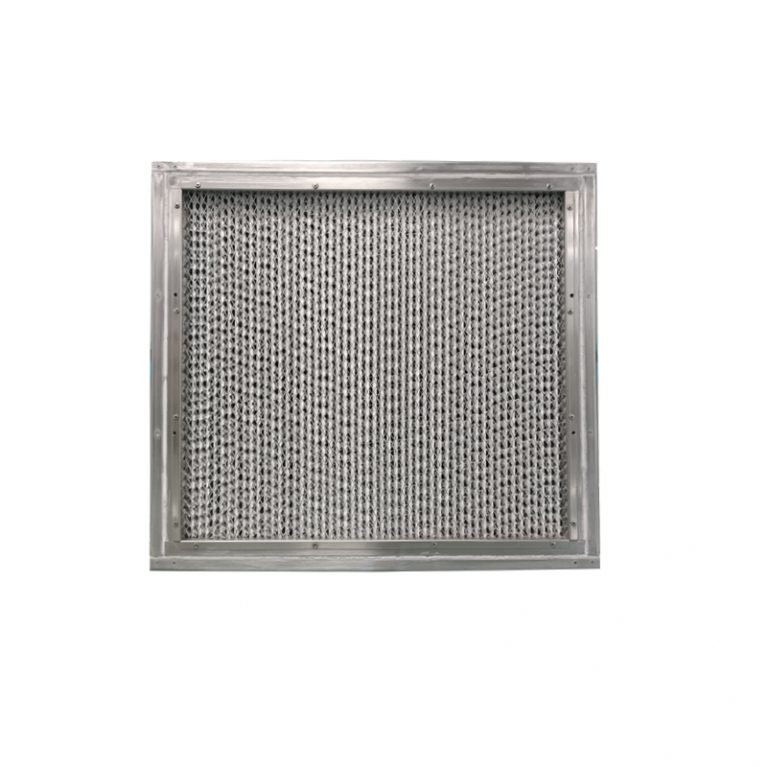
1. صيانة المرشحات عالية الكفاءة (HEPA/ULPA): المرشحات عالية الكفاءة هي جوهر تأثير التنقية لأغطية التدفق الصفحي وتتطلب صيانة دورية. ① الفحص المنتظم: استخدم عداد الجسيمات لاختبار نظافة مخرج الهواء للمرشح كل 3 إلى 6 أشهر. إذا كانت نتائج الاختبار لا تفي بمتطلبات التصميم (مثل معايير النظافة من الفئة 100 أو الفئة 1000)، فيجب استبداله في الوقت المناسب. ② مراقبة الضغط التفاضلي: انتبه إلى مقياس الضغط التفاضلي للمرشح كل يوم. عندما يتجاوز الضغط التفاضلي 20% إلى 30% من الضغط التفاضلي الأولي، فهذا يشير إلى أن الفلتر مسدود بشدة ويجب استبداله على الفور. ③ احتياطات الاستبدال: عند استبدال الفلتر، يجب أن يتم ذلك في بيئة نظيفة. قم بارتداء قفازات خالية من الغبار وقناع. تجنب التلامس المباشر مع ورق الفلتر باليد. تأكد من إحكام غلق التركيب لمنع تسرب الهواء.
2. صيانة المروحة: تعمل المروحة كمصدر للطاقة لتدوير تدفق الهواء لغطاء التدفق الصفحي وتتطلب صيانة دورية. ① التشحيم المنتظم: أضف كمية مناسبة من زيت التشحيم الخاص إلى محامل المروحة كل 6 إلى 12 شهرًا لتقليل تآكل المحامل وخفض ضوضاء التشغيل. ② تنظيف دفاعة المروحة: قم بتنظيف دفاعة المروحة مرة كل عام لإزالة الغبار والحطام المتراكم عليها لمنع تراكم الغبار من التأثير على حجم هواء المروحة واستقرار التشغيل. ③ استكشاف الأعطال وإصلاحها: إذا واجهت المروحة مشاكل مثل انخفاض السرعة أو زيادة الضوضاء أو الاهتزاز الشديد، فيجب إيقاف تشغيلها على الفور لفحصها. إذا لزم الأمر، اتصل بالموظفين المحترفين لإصلاح أو استبدال مكونات المروحة.
3. صيانة الأختام: يمكن لموانع تسرب الهواء الخارجي الملوث أن تمنع تسرب الهواء الخارجي الملوث إلى الداخل ويجب فحصها بانتظام. افحص الأجزاء المانعة للتسرب كل شهر بحثاً عن أي علامات تقادم أو تشقق أو سقوط. إذا وجد أي عطل في مانع التسرب، استبدل أجزاء مانع التسرب في الوقت المناسب وأعد وضع مانع التسرب لضمان أداء مانع التسرب للمعدات.
ثالثاً الصيانة الدورية المتعمقة
1. تنظيف التجويف الداخلي: قم بإجراء تنظيف عميق للتجويف الداخلي لغطاء التدفق الصفحي كل شهر إلى شهرين. أولاً، قم بإيقاف تشغيل مصدر الطاقة. قم بإزالة الأجزاء المتحركة (مثل طاولة التشغيل واللوحة العاكسة). استخدم قطعة قماش خالية من الوبر مغموسة في منظف محايد لمسح الجدران الداخلية للتجويف وهيكل العاكس والأجزاء الأخرى تمامًا. ثم اشطفها نظيفة بالماء النقي. وأخيراً، جففها بقطعة قماش جافة ومعقمة لضمان عدم وجود أي غبار أو بقايا في التجويف.
2. فحص النظام الكهربائي: قم بإجراء فحص شامل للنظام الكهربائي للمعدات كل ستة أشهر، بما في ذلك الأسلاك والمقابس والمقابس والمكونات الكهربائية داخل كابينة التحكم، إلخ. افحص ما إذا كانت الأسلاك قديمة أو تالفة، وما إذا كانت المكونات الكهربائية مفكوكة أو محمومة. إذا تم العثور على أي مشاكل، قم بإصلاحها أو استبدالها في الوقت المناسب لتجنب الأعطال الكهربائية التي تسبب مخاطر السلامة.
3. اختبار الأداء العام: تتم دعوة مؤسسات الاختبار المحترفة كل عام لإجراء اختبار شامل على الأداء العام لغطاء التدفق الصفحي بما في ذلك مؤشرات مثل النظافة وتوحيد سرعة الهواء وفرق الضغط والضوضاء لضمان توافق جميع جوانب أداء المعدات مع المعايير ومتطلبات الاستخدام ذات الصلة.
Iv. موانع الاستعمال والصيانة
1. يمنع منعا باتا تفكيك مكونات الجهاز أثناء تشغيل غطاء التدفق الصفحي لتجنب تعطيل استقرار تدفق الهواء والتسبب في إصابة شخصية.
2. لا تضع أجسامًا ثقيلة على الجزء العلوي من غطاء التدفق الصفحي أو على طاولة التشغيل لمنع تشوه أو تلف المعدات.
3. يمنع منعا باتا تخزين المواد المتطايرة أو المسببة للتآكل أو القابلة للاشتعال والانفجار بالقرب من غطاء التدفق الصفحي لتجنب تلويث البيئة النظيفة أو التسبب في حوادث تتعلق بالسلامة.
أثناء عملية الصيانة، في حالة حدوث أي أعطال غير قابلة للحل، يُمنع منعًا باتًا تفكيك المكونات الأساسية (مثل المراوح والمرشحات) دون تصريح. بدلاً من ذلك، اتصل بالشركة المصنعة للمعدات أو موظفي الصيانة المحترفين على الفور للتعامل معها.
عندما لا يكون غطاء التدفق الصفحي قيد الاستخدام لفترة طويلة، يجب إيقاف تشغيل مصدر الطاقة، ويجب تغطية الجهاز بغطاء غبار لمنع تراكم الغبار والتلوث. في الوقت نفسه، يجب تشغيل الجهاز وتشغيله لمدة 30 دقيقة بانتظام (كل ثلاثة أشهر) للتحقق من حالة الجهاز ومنع تقادم المكونات.
بالإضافة إلى ذلك، من المهم أيضًا إنشاء دفتر سجل صيانة كامل. فمن الضروري أن يسجل بالتفصيل الوقت والمحتوى وبيانات الكشف واستبدال الأجزاء وغيرها من المعلومات الخاصة بكل عملية صيانة، وذلك لتتبع حالة تشغيل المعدات وتوفير أساس مرجعي للصيانة اللاحقة.
