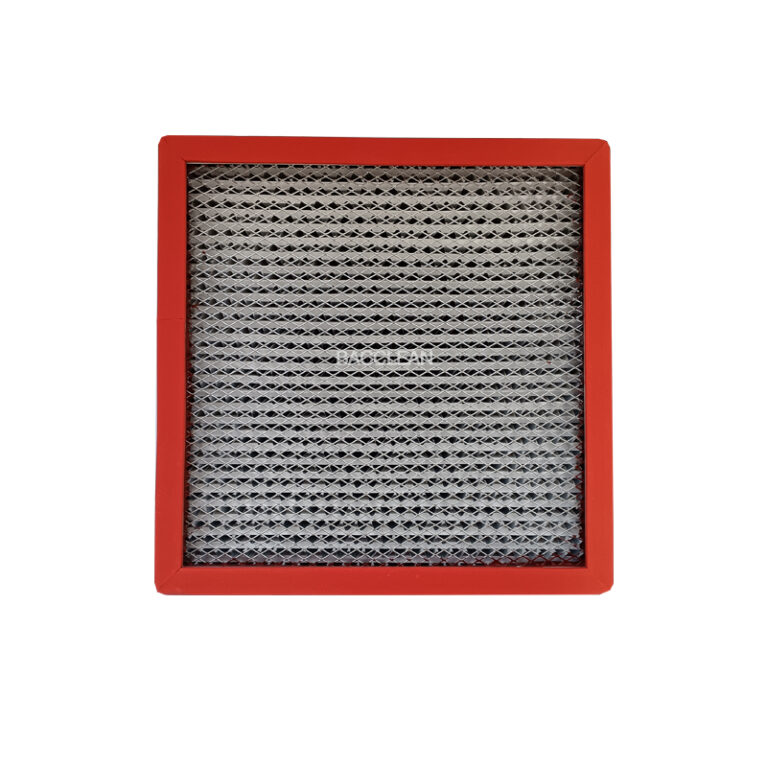
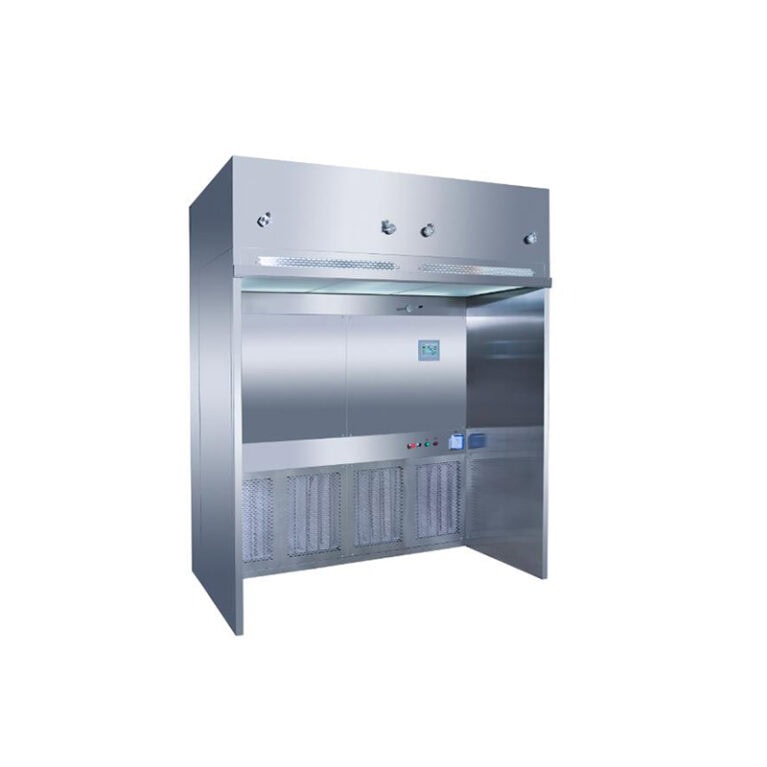
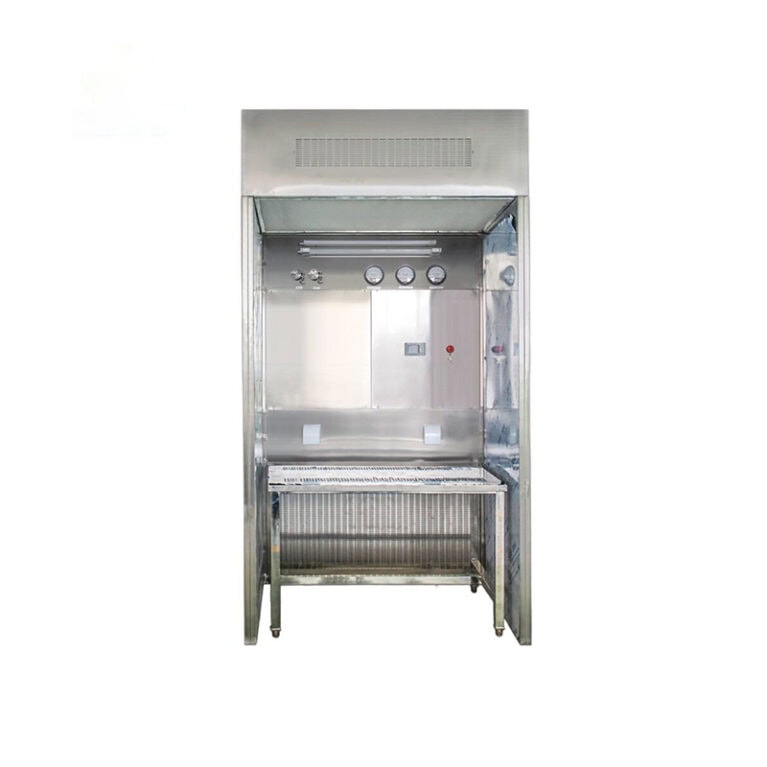
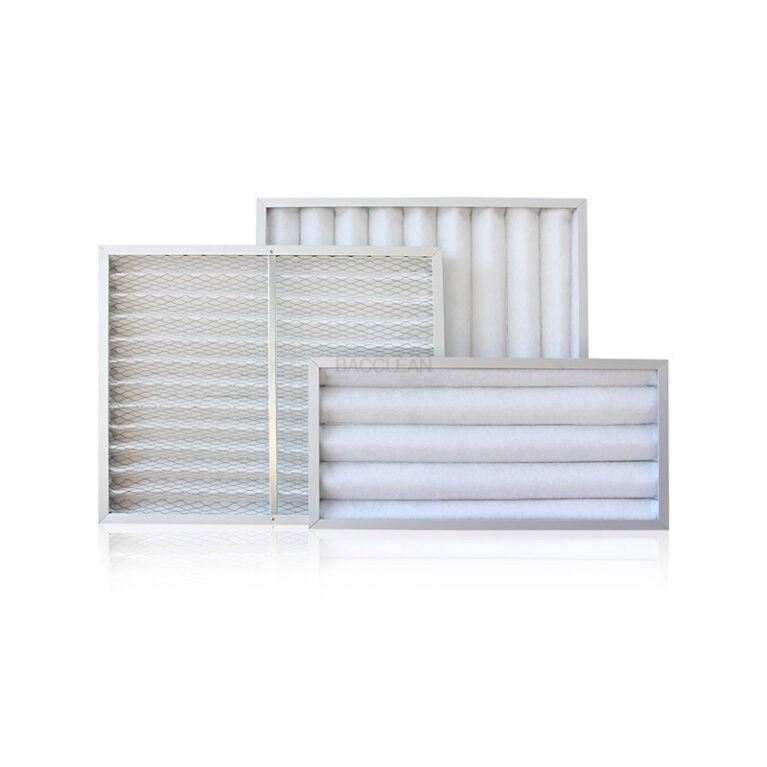
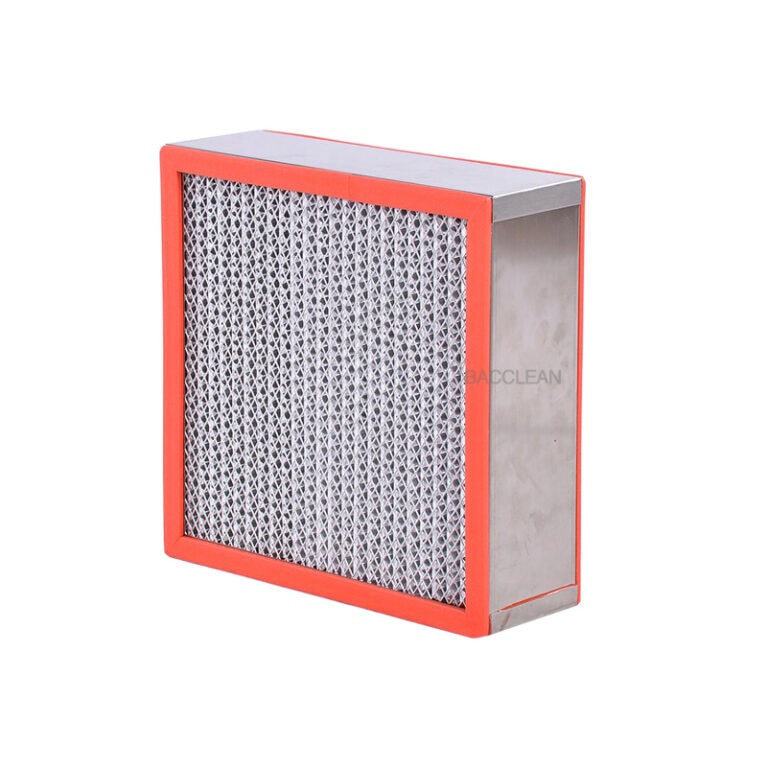
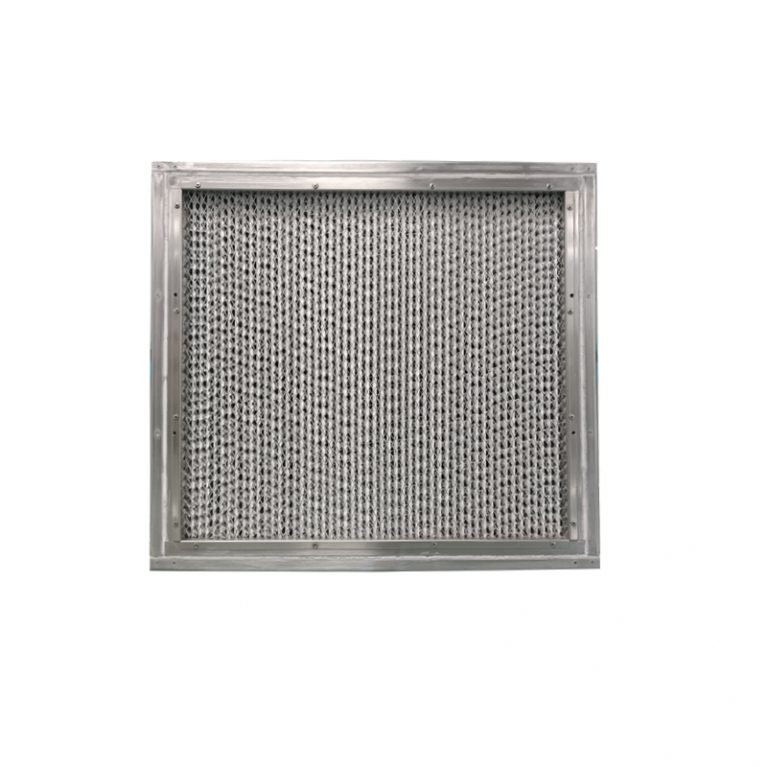
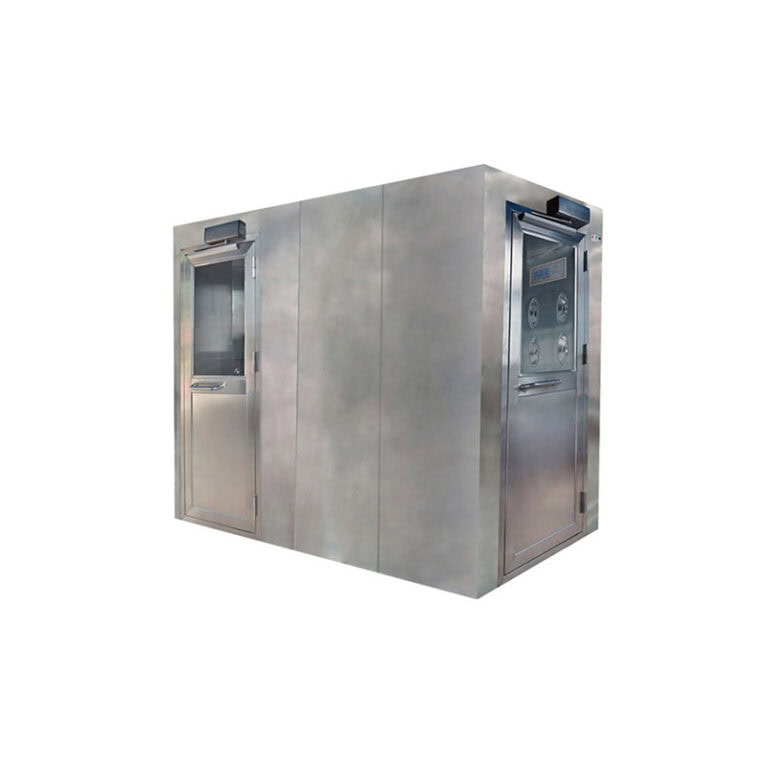
Standard for Determining the Replacement of High-Efficiency Filters in Layered Air Filtration Enclosures (Priority Levels, GMP Compliance Available)
I. First determination criterion: Pressure difference (the most objective and commonly used in daily practice)
After the equipment is installed, record the initial pressure difference;
When the operating pressure difference rises to twice the initial pressure difference, replacement is mandatory;
If the pressure difference rapidly increases in a short period (significantly rising within half a month), even if it has not reached twice the initial pressure difference, it should be investigated. There is a high probability of premature damage and dust leakage, and it is recommended to replace the high-efficiency filter in advance.
II. Second determination criterion: Wind speed not meeting standards
Standard working surface wind speed of the laminar flow enclosure: 0.36 – 0.54 m/s
After excluding faults in the fan, backflow blockage, and severe blockage of the primary / intermediate efficiency filters, if the measured average wind speed continuously falls below the lower limit;
Local areas have no airflow or the airflow is skewed, indicating that there is a large-scale accumulation of dust and blockage in the filter area, and it should be replaced directly.
Iii. Third basis for judgment: PAO/DOP leak detection fails (legal verification standard)
If the following situations occur during the annual integrity scanning test, it cannot be repaired by re-sealing and increasing pressure, and replacement is mandatory:
The filter material body has leakage points, and the leakage exceeds the standard;
The filter frame is damaged, the filter paper is cracked;
The sealing strip has aged and failed, and even after replacing the gasket, leakage still persists.
IV. On-site visual phenomena (auxiliary judgment during daily inspections)
If any of the following occurs, replace it after confirming with re-measurement of the pressure difference:
Continuous visible dust and flocculent matter blowing out from the outlet under the light;
Significantly increased noise and vibration from the fan (excessive filter resistance, fan overload);
The high-efficiency windward surface becomes black and is severely clogged with dust, making it impossible to clean;
Long-term excessive suspended particles in the clean area, excluding external factors such as personnel, environment, and laminar flow showers.
V. Time is for reference only and cannot be used as the sole basis for replacement
8 – 12 hours of intermittent operation: Refer to 2 – 3 years;
24 hours of continuous operation: Refer to 1.5 – 2 years;
High dust production and frequent expiration of primary filters: Shorten to 1 – 1.5 years.
Even if the service life has not been reached, the pressure difference/leak detection/wind speed should still be replaced if they are not up to standard.
VI. Simple judgment process
Check the pressure difference every day → When the pressure difference reaches 2 times → Replace
If the pressure difference is normal → Measure the working surface wind speed → Wind speed is low → Replace
If both pressure difference and wind speed are normal → Annual PAO test → Leakage exceeds the standard → Replace
If all of the above are normal but dust is continuously discharged and particles exceed the standard → Replace
Important prohibition
High-efficiency filters are prohibited from being blown with air guns, washed with water, or patted. If there is blockage or leakage, only the entire filter can be replaced, and repair attempts will be ineffective.