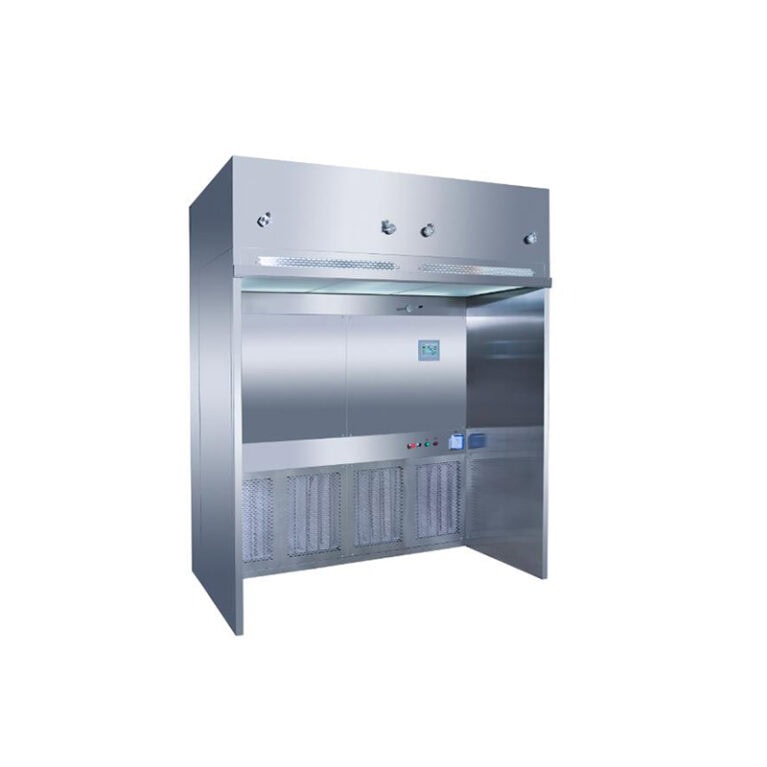
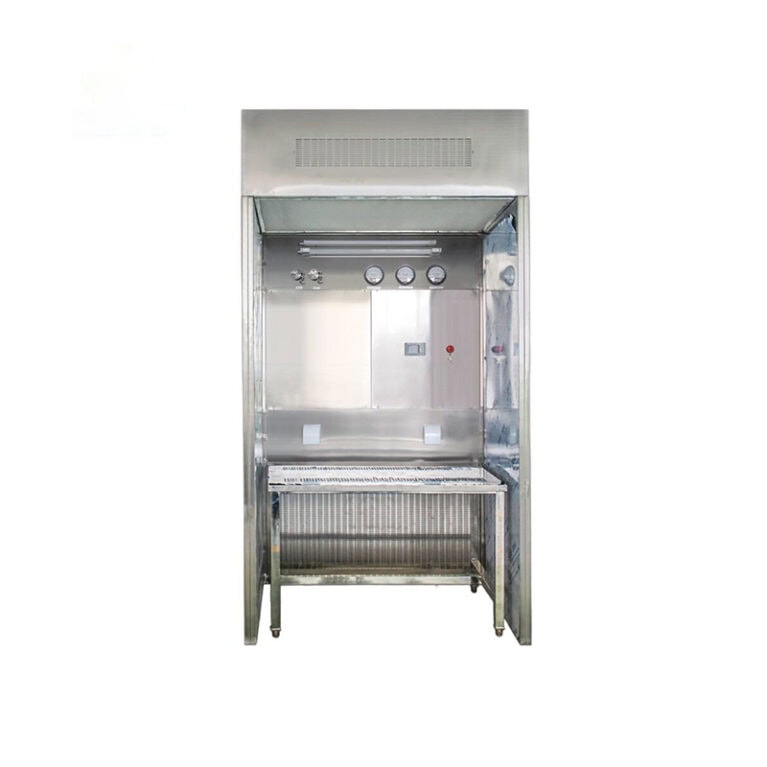
The supply air ceiling of the operating room is the core component of the air purification system in the clean operating room, directly affecting the cleanliness of the operating room and the safety of the surgical environment. Its daily maintenance should follow the principles of precision, standardization and regularity. The specific maintenance contents and procedures are as follows:
I. Daily Inspection (Daily/Before and After Each Surgery)
Visual inspection
Check whether the ceiling panel for the supply air is flat, free from deformation and damage, and whether the sealing strips at the connection points are intact to prevent air leakage and affect the air flow organization.
Check the cleanliness of the panel surface and promptly wipe off dust and stains with medical non-woven fabric dipped in neutral detergent to prevent accumulated dust from falling and contaminating the surgical area.
Operation status check
After turning on the purification system, observe whether the air velocity at the air outlet of the supply ceiling is uniform and there is no obvious abnormal noise (such as abnormal noise from the fan or panel vibration noise).
Check the reading of the differential pressure gauge to ensure that the pressure difference between the operating room and the adjacent area complies with the standards (usually the operating room is under positive pressure, and the pressure difference standards for different levels of clean operating rooms are different). If there is a pressure difference, it is necessary to check it in time.
Filter primary efficiency monitoring
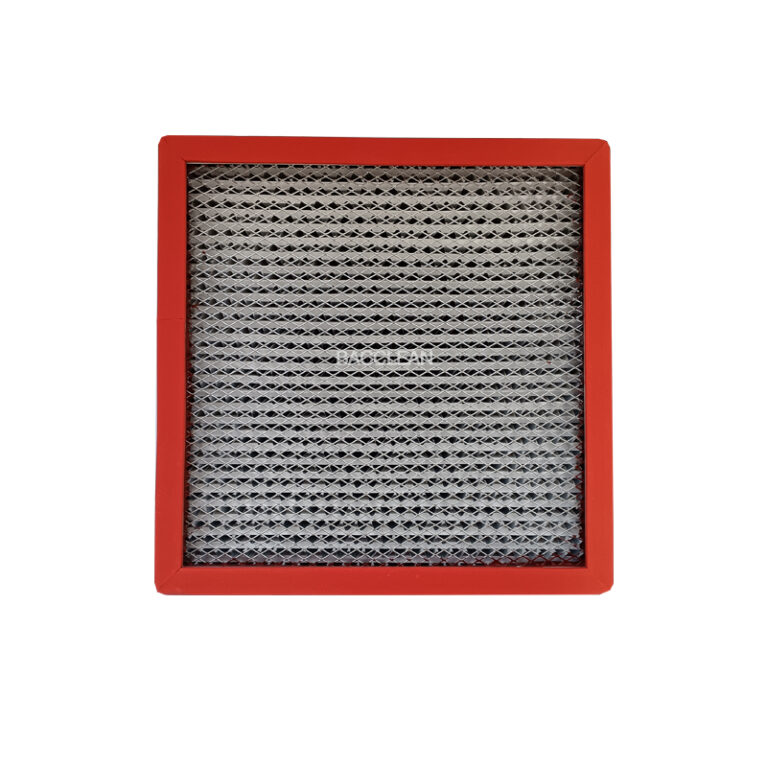
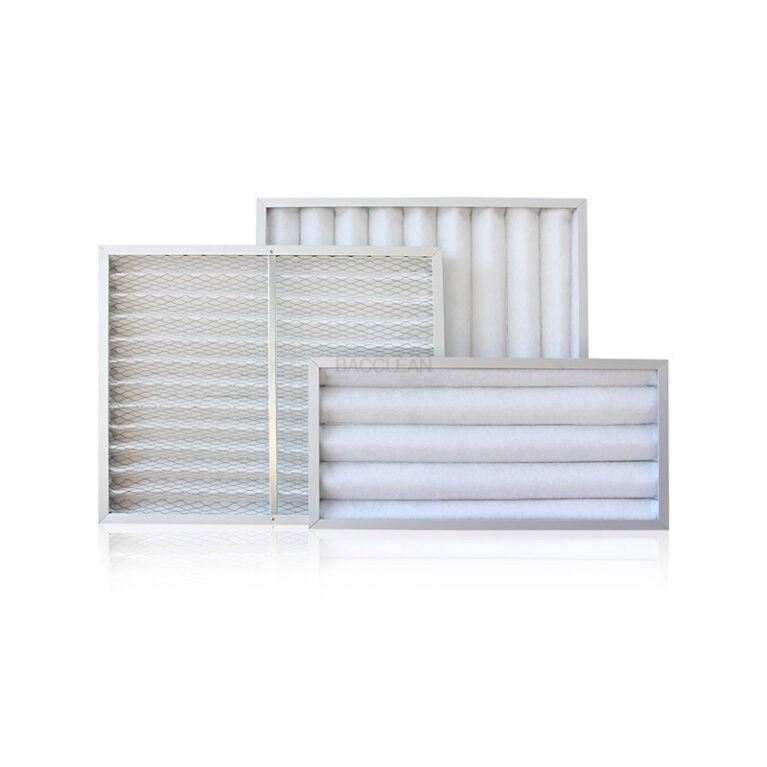
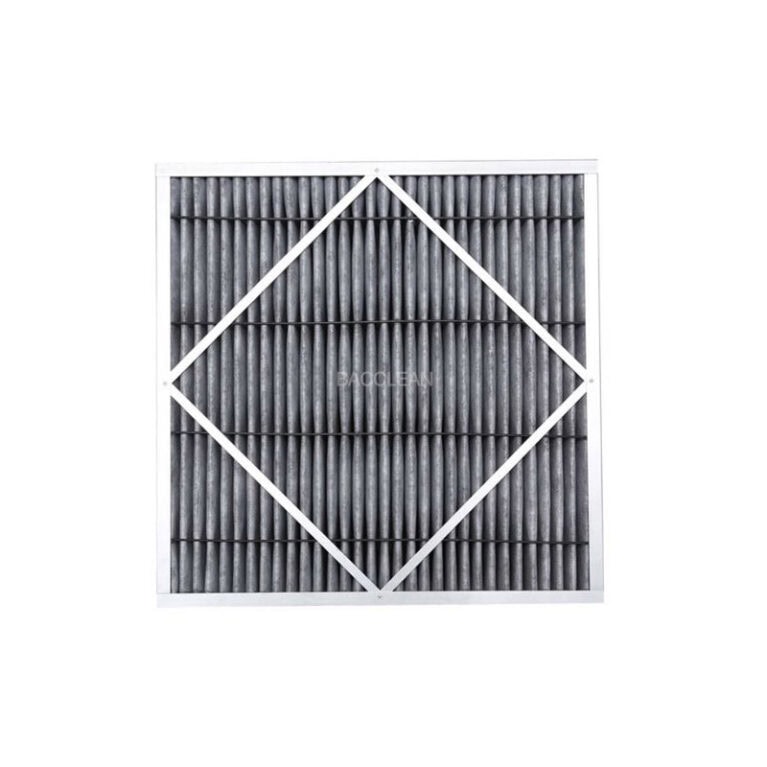
Check the pressure difference indicator of the primary filter that comes with the supply air ceiling. If the pressure difference reaches twice the initial pressure difference or exceeds the specified limit, it needs to be replaced in time.
After each operation, use a vacuum cleaner to clean the large particles of dust on the surface of the primary filter to extend its service life.
Ii. Regular Maintenance (Weekly/Monthly/Quarterly)
Weekly maintenance
Remove the diffusion panel of the supply air ceiling, thoroughly clean the accumulated dust inside the panel and at the air outlet. After cleaning, let it dry before reinstallation to prevent residual moisture from breeding bacteria.
Check the operating temperature of the fan motor. Touch the motor housing with your hand (when the machine is off). If the temperature is too high, it is necessary to investigate whether there is a fault with the motor.
Monthly maintenance
Check the uniformity of air supply from the air supply ceiling. Use an anemometer to measure the wind speed at different points at the air outlet to ensure that the wind speed deviation is within ±10%. If the deviation is too large, adjust the fan frequency or check whether the air duct is blocked.
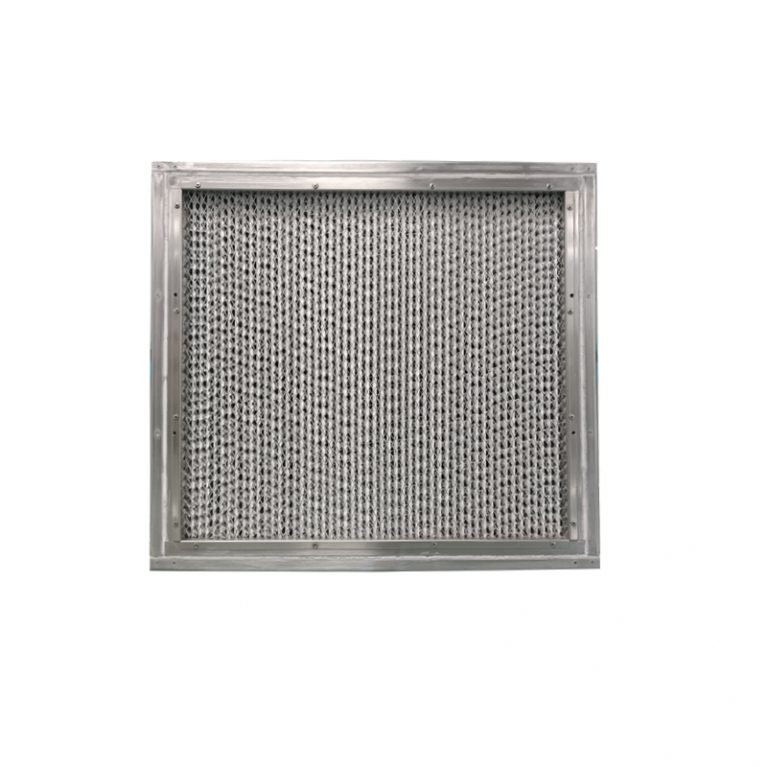
Check the sealing condition of the filter. Use a smoke generator or dust particle counter to detect whether the filter frame is leaking air. If there is air leakage, reseal or replace the sealing gasket.
Quarterly maintenance
Lubricate and maintain the fans on the air supply ceiling. Add special lubricating oil as per the equipment manual to ensure smooth operation of the fans.
Conduct a comprehensive inspection of the electrical control system, including power lines, switches, sensors, etc., to ensure that the wiring is firm and free from aging and damage, and to avoid electrical faults.
Iii. Specialized Maintenance of Filters (Core Focus)
المرشح الأساسي
Replacement cycle: Usually 1 to 3 months, with specific adjustments based on the frequency of use in the operating room and the environmental dust load.
Replacement requirements: When disassembling, it is necessary to avoid dust falling off the surface of the filter. After replacement, check whether the seal is tight to prevent unfiltered air from entering the operating room.
Medium efficiency/high efficiency filters
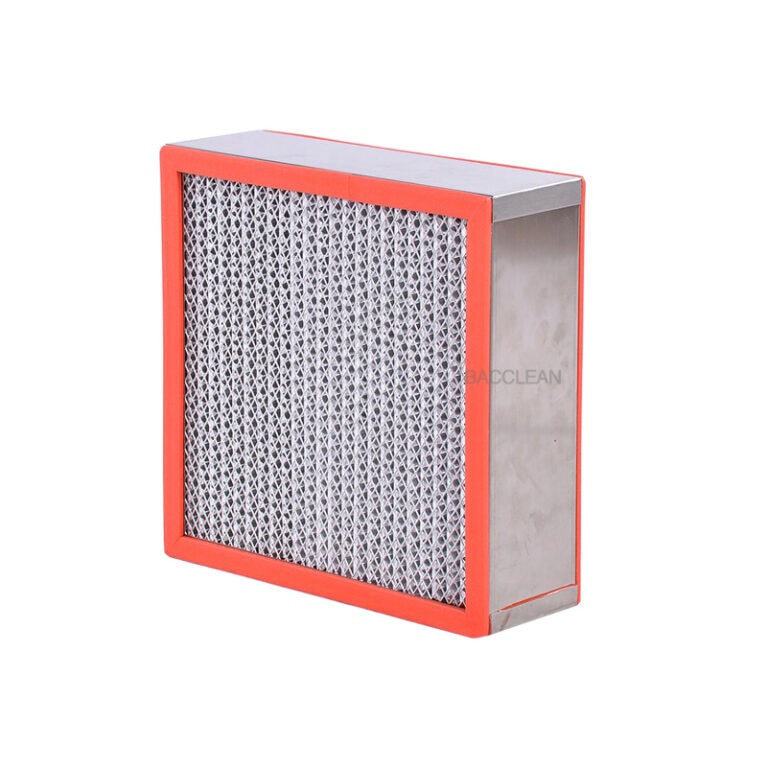
Replacement cycle: 3 to 6 months for medium-efficiency filters and 1 to 2 years for high-efficiency filters (replacement should be carried out immediately when the pressure difference exceeds the standard, based on the pressure difference monitoring data).
Replacement requirements: The replacement of high-efficiency filters must be carried out after the operating room has been cleaned and disinfected. Operators must wear clean suits and gloves to avoid human contamination. After replacement, a leak test is required. Only after passing the test can it be put into use.
رابعا ـ احتياطات الصيانة
Before maintenance operations, the power supply of the purification system must be turned off and warning signs hung to prevent safety accidents caused by misoperation.
All cleaning tools must be dedicated to avoid cross-contamination. Medical-grade neutral cleaning agents should be selected, and the use of highly corrosive chemical reagents is strictly prohibited.
Establish maintenance files to record the time, personnel and equipment status of each inspection, maintenance and filter replacement, which is convenient for traceability and the formulation of subsequent maintenance plans.
Maintenance personnel need to receive professional training, be familiar with the structure and maintenance norms of the supply air ceiling, and avoid damaging the equipment due to improper operation.
V. Maintenance in Special Circumstances
After an infectious surgery occurs in the operating room (such as surgery for patients with infectious diseases), the supply air ceiling must be thoroughly cleaned immediately, and the filters should be checked for contamination. If necessary, high-efficiency filters should be replaced in advance.
Before the equipment is out of use for a long time (more than one week), all filters need to be cleaned and the air outlets sealed. When reactivating, the purification system should be run for more than 30 minutes first. Only after the cleanliness level meets the standard can it be used.