
Daily Maintenance of Negative Pressure Weighing Rooms: Essential Steps for Clean Performance and Safety
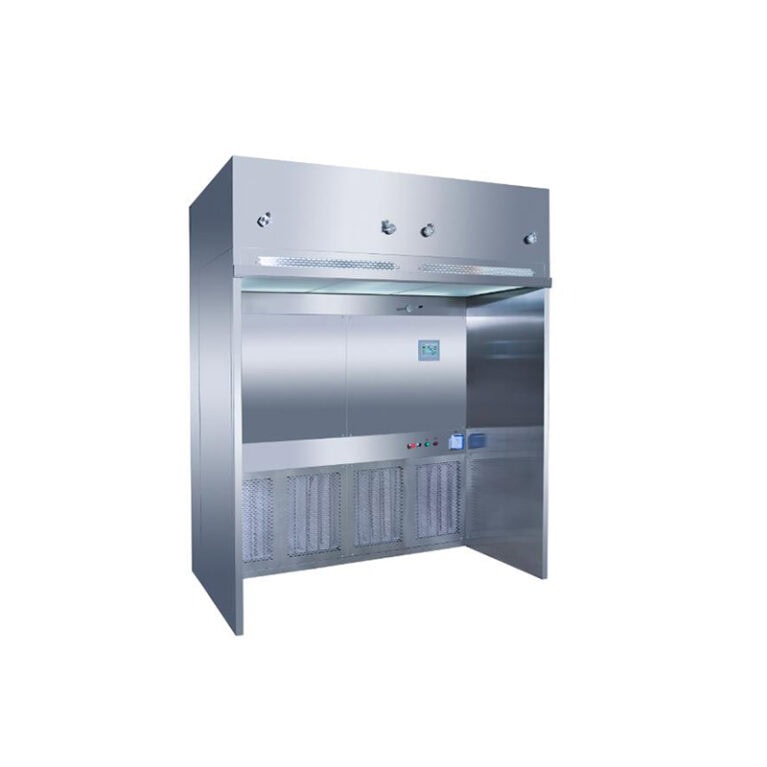
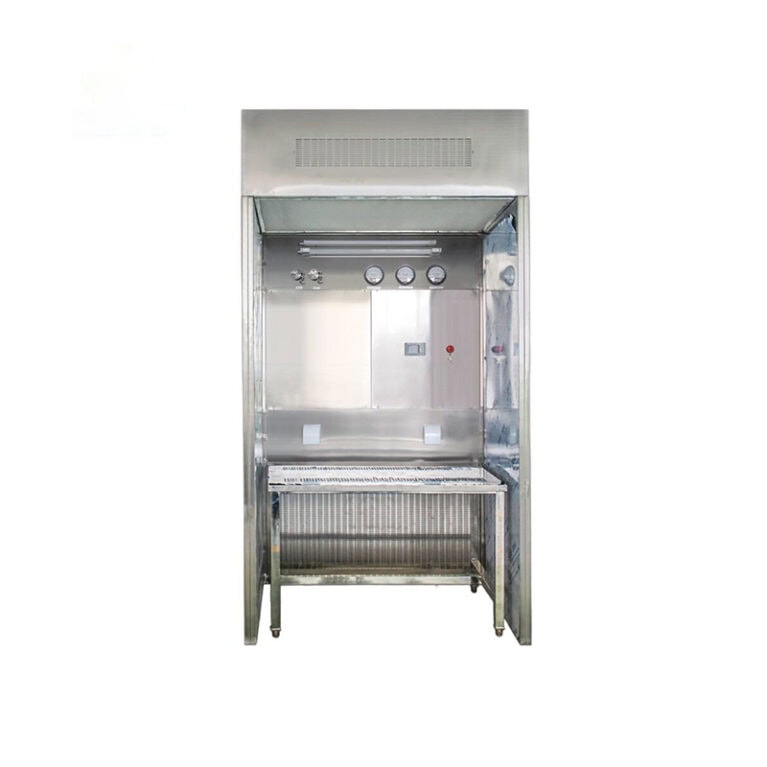
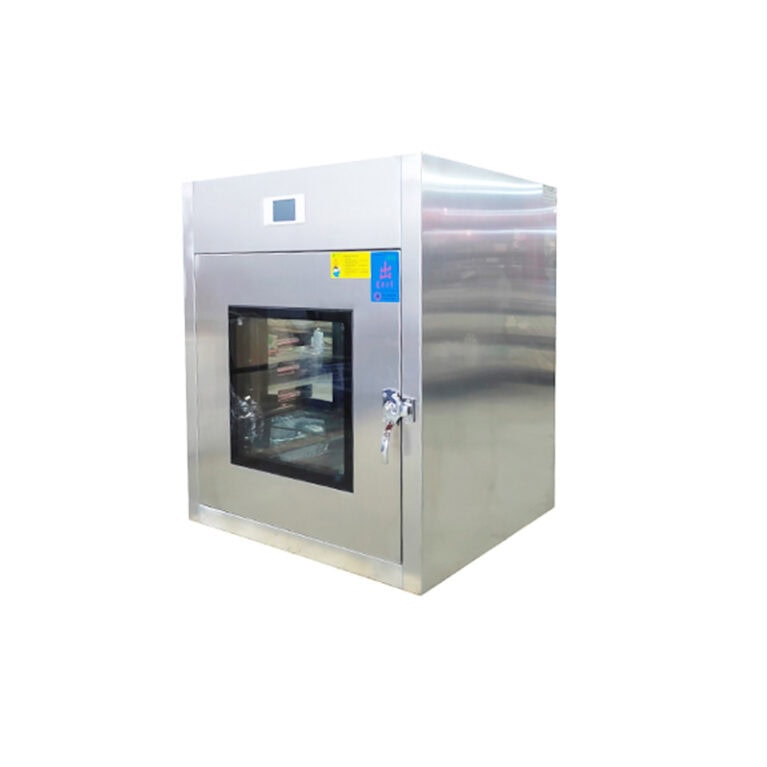
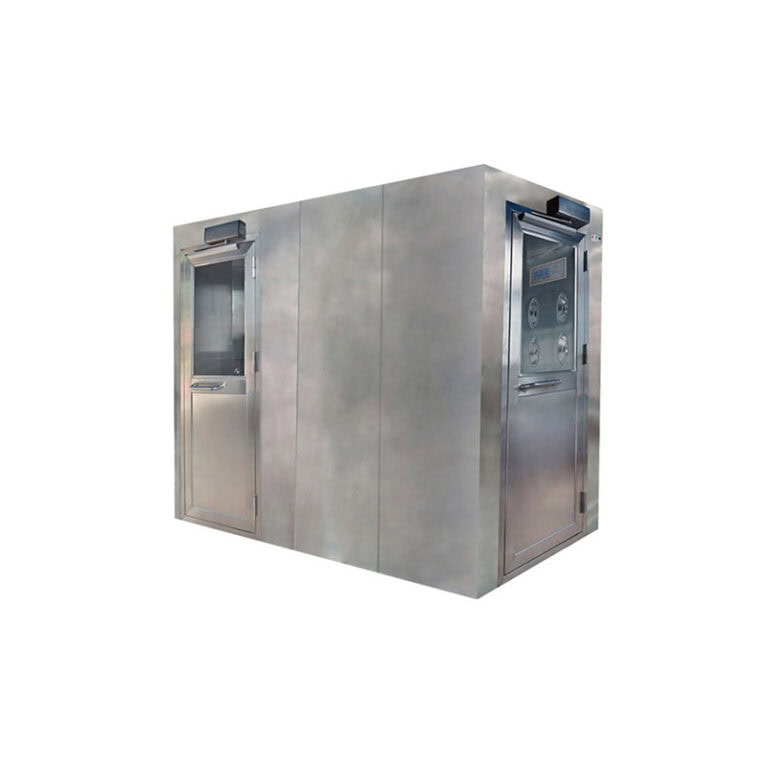
As a core cleaning equipment in the pharmaceutical, biological, chemical, and other industries, the operational stability of the negative pressure weighing chamber is directly related to the accuracy of material weighing, the health of operators, and the compliance of the production environment. Scientific and standardized daily maintenance can not only extend the service life of equipment, but also avoid production risks caused by problems such as substandard cleanliness and negative pressure failure. The following provides professional maintenance solutions for industry practitioners from three aspects: core maintenance dimensions, cycle norms, and key precautions.
1. Daily Maintenance Tasks: 1.1 Inspect equipment appearance and environment
Clean the exterior and surrounding areas of the equipment to ensure there is no dust accumulation and no debris blocking the air inlet/outlet. Reserve at least 30cm of maintenance space around the equipment.
Check whether the sealing rubber strip on the equipment door is intact, without deformation, cracking, or signs of aging. After closing, the sealing performance should meet the standard (a paper towel test can be conducted: place a paper towel between the door gaps, and there should be no sliding or falling).
Observe whether the indicator lights and display screen on the control panel are normal, and whether the parameters such as negative pressure value, wind speed, temperature, and humidity are displayed stably (the negative pressure difference value should be maintained at -10Pa to -30Pa, please refer to the equipment technical manual for details).
2. Air flow and cleanliness monitoring
After starting the equipment, confirm that the fan operates without abnormal noise (normal operating noise ≤65dB), and the airflow direction meets the design requirements (vertical unidirectional flow from top to bottom, without vortices).
Use a dust particle counter to quickly test the cleanliness of the working area (the number of 0.5μm particles monitored daily should be ≤3520pc/m³, that is, ISO level 8 standard). If any abnormal value is found, stop the machine immediately for investigation.
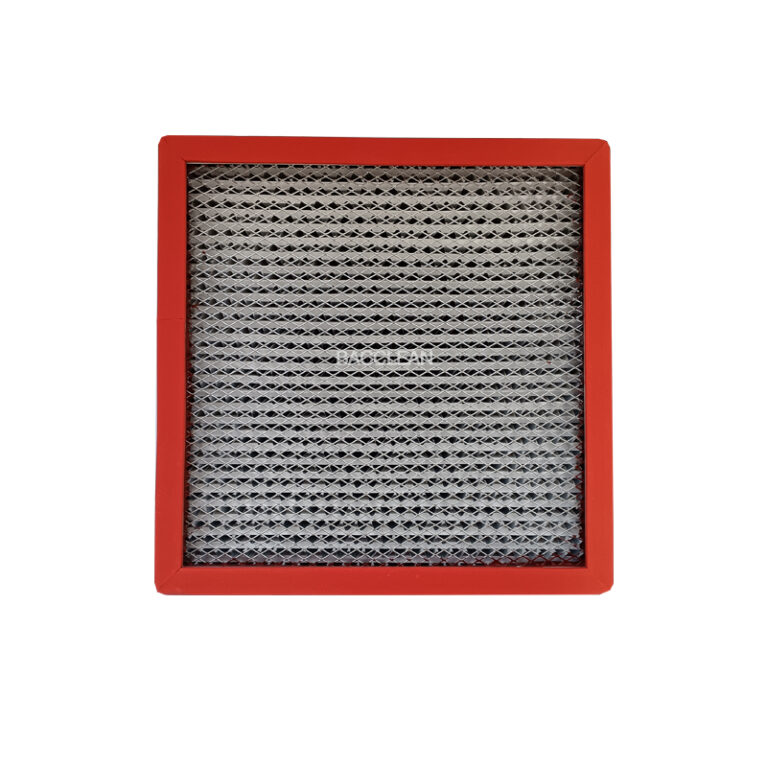
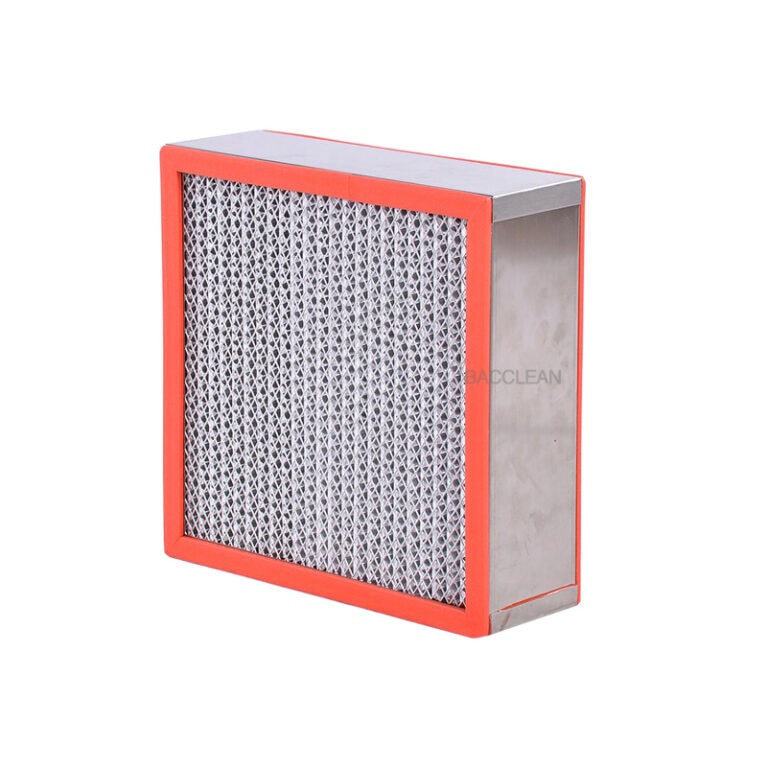
Check the differential pressure gauge of the high-efficiency filter (HEPA) : If the differential pressure is less than 50% of the initial value or more than twice the initial value, record it and arrange for further testing (the initial differential pressure is usually 100 to 250Pa).
3. Security system verification
Test the interlock function: When the equipment door is opened, the fan should automatically slow down or stop, and the alarm device should be triggered normally. After closing the door, the system can quickly restore the set negative pressure and wind speed.
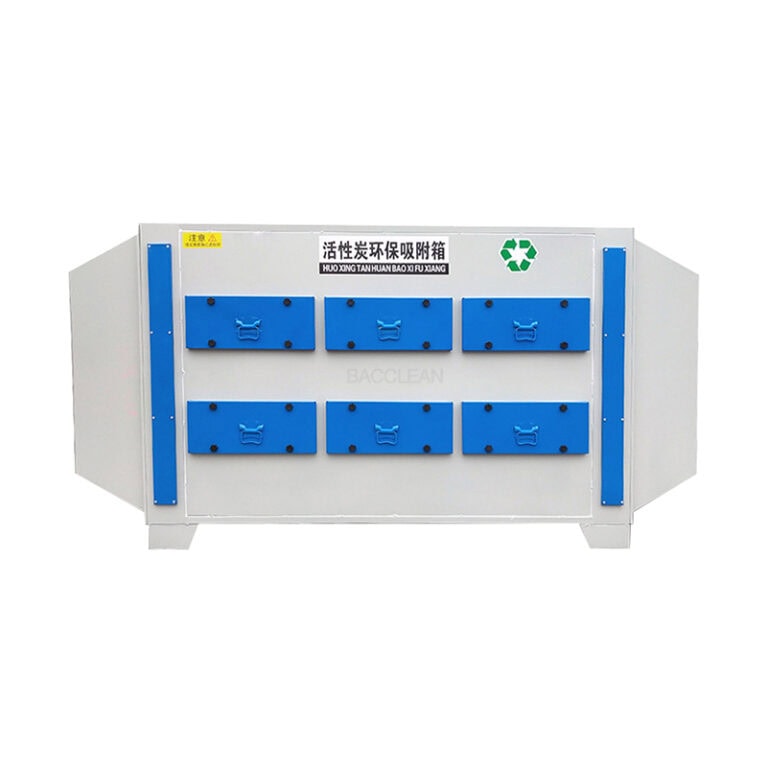
Check the exhaust system: Confirm that the activated carbon filter (if configured) has no saturated odor, and there is no leakage at the exhaust pipe interface (you can apply soapy water to the interface and observe if no bubbles are produced).
Verify lighting and ultraviolet disinfection: The lighting brightness is uniform (illuminance in the working area ≥300lx), there is no flicker after the ultraviolet lamp is turned on, and the disinfection time setting complies with the SOP requirements (usually ≥30 minutes).
4. Internal cleaning and disinfection
Use a lint-free cloth dipped in 75% medical alcohol or a disinfectant that meets GMP requirements to wipe the workbench surface, inner walls, observation Windows, and internal corners of the equipment to avoid dust residue.
Clean the protective screen at the air outlet of the high-efficiency filter. Gently brush off the surface dust with a soft-bristled brush. Do not rinse with water or scrape with sharp tools.
Clean the dust collection box (if configured), pour out the dust, soak it in disinfectant for disinfection, dry it, and then reset it (to avoid secondary dust flying).
Ii. Regular Maintenance Specifications (Implemented on a Periodic Basis
1. Weekly maintenance
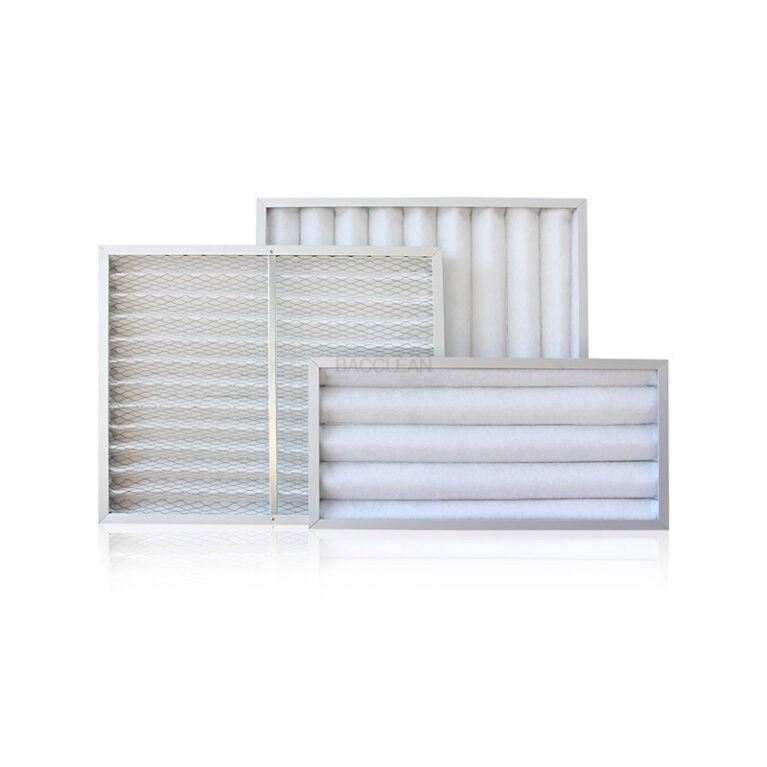
Thoroughly clean the pre-filter at the air inlet of the equipment (G4 grade) : Remove the filter and blow it from the inside out with compressed air (air pressure ≤0.3MPa), or rinse it with clean water and dry it (if the filter is damaged or severely dirty, replace it directly).
Inspect the fan impeller: Open the fan inspection port and observe whether there is any dust accumulation or foreign object entanglement on the impeller. If there is any accumulated dust, clean it with a soft brush (do not disassemble the impeller).
Calibrate the parameters of the control panel: Use professional instruments to detect the negative pressure value and wind speed, and compare them with the values on the display screen. Calibration should be carried out when the deviation exceeds ±5%.
Inspect the electrical circuits: Check that the power lines and terminal blocks are not loose, aged, or damaged, and the grounding resistance is ≤4Ω (to ensure electrical safety).
2. Monthly maintenance
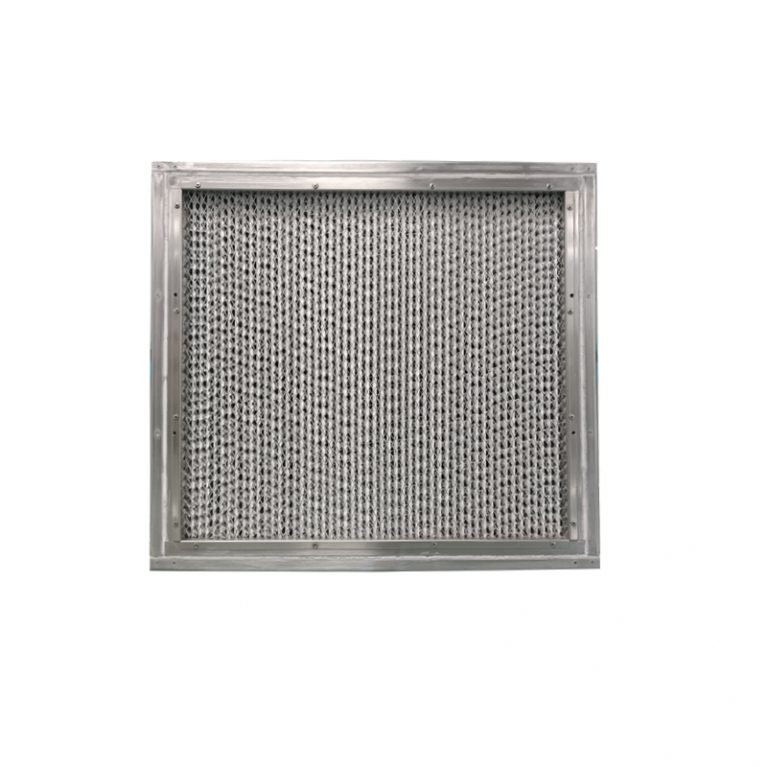
Testing the integrity of high-efficiency filters: The PAO leak detection method is adopted. Scan and test downstream of the filter. The leakage rate should be ≤0.01% (in compliance with ISO 14644-3 standard). If there is a leakage, the filter should be replaced in time.
Clean the ultraviolet lamp tube: Wipe the surface of the lamp tube with alcohol to remove dust and oil stains. Check that there is no blackening or aging at both ends of the lamp tube. If the usage time exceeds 8,000 hours, it is recommended to replace it.
Check the transmission components: Apply lubricating oil (food-grade or medical-grade lubricating oil) to the moving parts, such as the fan bearings and door hinges, to ensure smooth operation.
Verify the emergency response plan: Simulate scenarios such as fan failure and negative pressure failure to test whether the functions of automatic shutdown, alarm, and exhaust switching of the equipment are normal.
3. Quarterly maintenance
Replace the pre-filter (G4 grade) : Even if there is no obvious dirt on the appearance, it is recommended to replace it every three months to avoid a decrease in wind speed and an increase in energy consumption due to filter blockage.
Inspect the exhaust ducts: Disassemble the pipe joints, clean the accumulated dust inside, check if the ducts are corroded or deformed, and seal and reinforce them if necessary.
Calibrate sensors: Contact professional institutions to calibrate negative pressure sensors, wind speed sensors, and temperature and humidity sensors to ensure the accuracy of the detection data.
Thoroughly clean the interior of the equipment: Remove the work surface (if detachable), clean the bottom of the equipment and hidden corners, and thoroughly remove accumulated dust and contaminants.
4. Annual maintenance
Replace the high-efficiency filter (HEPA) : Regardless of whether the pressure difference exceeds the standard or not, it is recommended to replace it once a year (if the equipment is used frequently and the dust concentration is high, it can be shortened to 6 to 8 months).
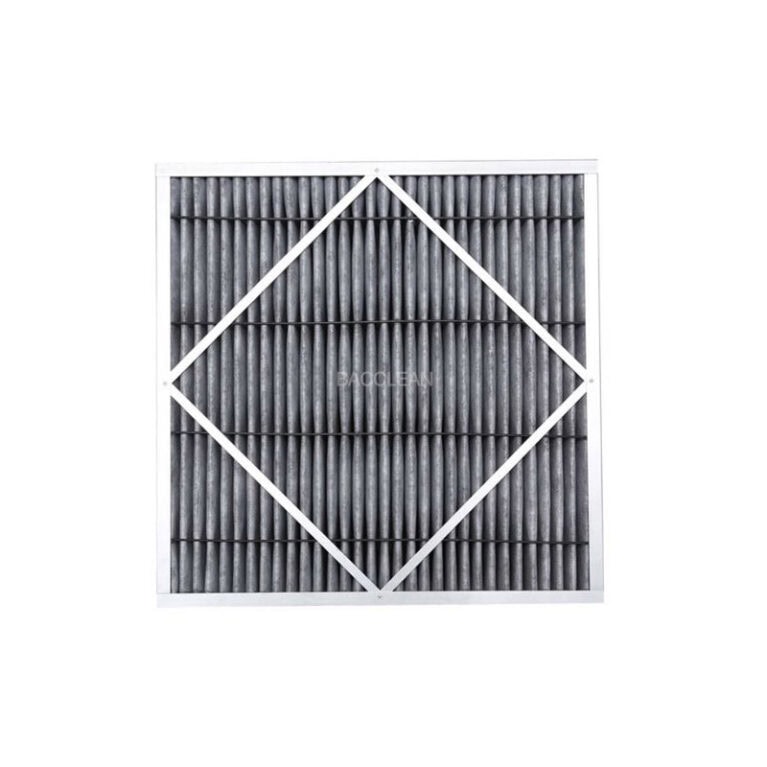
Replace the activated carbon filter (if configured) : Depending on the usage scenario, the saturation cycle of the activated carbon filter is usually 6 to 12 months. After replacement, it is necessary to check whether the odor at the air outlet has been eliminated.
Comprehensive maintenance of the fan: Disassemble the fan, clean the accumulated dust inside the impeller and casing, and check the insulation performance of the motor. If the motor’s operating current is abnormal or the noise increases, repair or replacement is required.
Overall performance testing of the equipment: Entrust a third-party testing agency to conduct a comprehensive test of indicators such as cleanliness, negative pressure, air velocity, and air change rate in accordance with GB/T 25915.3-2010 “Cleanrooms and Associated Controlled Environments – Part 3: Testing Methods”, to ensure compliance with industry standards and production requirements.
Iii. Key Maintenance Precautions
1. Safety operation norms
All maintenance work must be carried out after the equipment is powered off or the gas supply is cut off. An “Under Maintenance” warning sign should be hung to prevent safety accidents caused by misoperation.
When cleaning and disinfecting, it is strictly prohibited to directly spray water or disinfectant on electrical components, sensors, and filters to prevent short circuits or equipment damage.
When replacing the filter, it should be done in a clean environment to prevent the new filter from being contaminated. During installation, ensure that the sealing gasket fits tightly and there is no leakage.
2. Maintain record management
Establish a “Negative Pressure Weighing Room Maintenance Ledger”, detailing the daily, weekly, monthly, and annual maintenance contents, inspection data, replacement component models, and times.
Keep the purchase vouchers and qualification certificates of consumables such as filters and lamp tubes to ensure that the consumables meet the equipment requirements and industry standards.
Maintenance records should be kept for at least three years (in compliance with GMP, ISO, and other regulatory requirements) to facilitate audit traceability.
3. Common Fault Handling
Abnormal negative pressure value: If the negative pressure is too low, check whether the door seal is intact, whether the pre-filter is clogged, and whether the exhaust duct is leaking. If the negative pressure is too high, check whether the exhaust valve is stuck and whether the high-efficiency filter is clogged.
Wind speed decrease: First, check the pressure difference between the pre-filter and the high-efficiency filter. If the pressure difference is too high, replace the filter and, at the same time, clean the dust accumulated on the fan impeller.
Frequent alarms: Check whether the interlock switch and sensor are faulty, and calibrate or replace them in time.
Residual odor: Replace the activated carbon filter, enhance internal cleaning and disinfection of the equipment, and check for material leakage.
4. Professional training requirements
Maintenance personnel must undergo professional training, be familiar with the structure, working principle, and maintenance process of the equipment, and hold relevant certificates to work.
Regularly organize maintenance skills training to learn professional knowledge, such as filter replacement, parameter calibration, and fault detection, and improve maintenance levels.
Non-professionals are prohibited from disassembling the core components of the equipment (such as fans, high-efficiency filters, and sensors) to avoid damaging the equipment.
الملخص
The daily maintenance of the negative pressure weighing chamber should follow the principle of “daily monitoring, regular inspection and repair, and compliance record”. Through standardized and refined maintenance procedures, it is ensured that the equipment is always in the best operating condition. During the maintenance process, attention should not only be paid to the cleanliness performance and negative pressure stability, but also to the operation safety and compliance management. Only by establishing a complete maintenance system can the risk of equipment failure be effectively reduced, ensuring the continuity, safety, and reliability of the production process, and providing solid support for the high-quality development of the pharmaceutical, chemical, and other industries.
As a core cleaning equipment in the pharmaceutical, biological, chemical, and other industries, the operational stability of the negative pressure weighing chamber is directly related to the accuracy of material weighing, the health of operators, and the compliance of the production environment. Scientific and standardized daily maintenance can not only extend the service life of equipment, but also avoid production risks caused by problems such as substandard cleanliness and negative pressure failure. The following provides professional maintenance solutions for industry practitioners from three aspects: core maintenance dimensions, cycle norms, and key precautions.
1. Daily Maintenance Tasks: 1.1 Inspect equipment appearance and environment
Clean the exterior and surrounding areas of the equipment to ensure there is no dust accumulation and no debris blocking the air inlet/outlet. Reserve at least 30cm of maintenance space around the equipment.
Check whether the sealing rubber strip on the equipment door is intact, without deformation, cracking, or signs of aging. After closing, the sealing performance should meet the standard (a paper towel test can be conducted: place a paper towel between the door gaps, and there should be no sliding or falling).
Observe whether the indicator lights and display screen on the control panel are normal, and whether the parameters such as negative pressure value, wind speed, temperature, and humidity are displayed stably (the negative pressure difference value should be maintained at -10Pa to -30Pa, please refer to the equipment technical manual for details).
2. Air flow and cleanliness monitoring
After starting the equipment, confirm that the fan operates without abnormal noise (normal operating noise ≤65dB), and the airflow direction meets the design requirements (vertical unidirectional flow from top to bottom, without vortices).
Use a dust particle counter to quickly test the cleanliness of the working area (the number of 0.5μm particles monitored daily should be ≤3520pc/m³, that is, ISO level 8 standard). If any abnormal value is found, stop the machine immediately for investigation.
Check the differential pressure gauge of the high-efficiency filter (HEPA) : If the differential pressure is less than 50% of the initial value or more than twice the initial value, record it and arrange for further testing (the initial differential pressure is usually 100 to 250Pa).
3. Security system verification
Test the interlock function: When the equipment door is opened, the fan should automatically slow down or stop, and the alarm device should be triggered normally. After closing the door, the system can quickly restore the set negative pressure and wind speed.
Check the exhaust system: Confirm that the activated carbon filter (if configured) has no saturated odor, and there is no leakage at the exhaust pipe interface (you can apply soapy water to the interface and observe if no bubbles are produced).
Verify lighting and ultraviolet disinfection: The lighting brightness is uniform (illuminance in the working area ≥300lx), there is no flicker after the ultraviolet lamp is turned on, and the disinfection time setting complies with the SOP requirements (usually ≥30 minutes).
4. Internal cleaning and disinfection
Use a lint-free cloth dipped in 75% medical alcohol or a disinfectant that meets GMP requirements to wipe the workbench surface, inner walls, observation Windows, and internal corners of the equipment to avoid dust residue.
Clean the protective screen at the air outlet of the high-efficiency filter. Gently brush off the surface dust with a soft-bristled brush. Do not rinse with water or scrape with sharp tools.
Clean the dust collection box (if configured), pour out the dust, soak it in disinfectant for disinfection, dry it, and then reset it (to avoid secondary dust flying).
Ii. Regular Maintenance Specifications (Implemented on a Periodic Basis
1. Weekly maintenance
Thoroughly clean the pre-filter at the air inlet of the equipment (G4 grade) : Remove the filter and blow it from the inside out with compressed air (air pressure ≤0.3MPa), or rinse it with clean water and dry it (if the filter is damaged or severely dirty, replace it directly).
Inspect the fan impeller: Open the fan inspection port and observe whether there is any dust accumulation or foreign object entanglement on the impeller. If there is any accumulated dust, clean it with a soft brush (do not disassemble the impeller).
Calibrate the parameters of the control panel: Use professional instruments to detect the negative pressure value and wind speed, and compare them with the values on the display screen. Calibration should be carried out when the deviation exceeds ±5%.
Inspect the electrical circuits: Check that the power lines and terminal blocks are not loose, aged, or damaged, and the grounding resistance is ≤4Ω (to ensure electrical safety).
2. Monthly maintenance
Testing the integrity of high-efficiency filters: The PAO leak detection method is adopted. Scan and test downstream of the filter. The leakage rate should be ≤0.01% (in compliance with ISO 14644-3 standard). If there is a leakage, the filter should be replaced in time.
Clean the ultraviolet lamp tube: Wipe the surface of the lamp tube with alcohol to remove dust and oil stains. Check that there is no blackening or aging at both ends of the lamp tube. If the usage time exceeds 8,000 hours, it is recommended to replace it.
Check the transmission components: Apply lubricating oil (food-grade or medical-grade lubricating oil) to the moving parts, such as the fan bearings and door hinges, to ensure smooth operation.
Verify the emergency response plan: Simulate scenarios such as fan failure and negative pressure failure to test whether the functions of automatic shutdown, alarm, and exhaust switching of the equipment are normal.
3. Quarterly maintenance
Replace the pre-filter (G4 grade) : Even if there is no obvious dirt on the appearance, it is recommended to replace it every three months to avoid a decrease in wind speed and an increase in energy consumption due to filter blockage.
Inspect the exhaust ducts: Disassemble the pipe joints, clean the accumulated dust inside, check if the ducts are corroded or deformed, and seal and reinforce them if necessary.
Calibrate sensors: Contact professional institutions to calibrate negative pressure sensors, wind speed sensors, and temperature and humidity sensors to ensure the accuracy of the detection data.
Thoroughly clean the interior of the equipment: Remove the work surface (if detachable), clean the bottom of the equipment and hidden corners, and thoroughly remove accumulated dust and contaminants.
4. Annual maintenance
Replace the high-efficiency filter (HEPA) : Regardless of whether the pressure difference exceeds the standard or not, it is recommended to replace it once a year (if the equipment is used frequently and the dust concentration is high, it can be shortened to 6 to 8 months).
Replace the activated carbon filter (if configured) : Depending on the usage scenario, the saturation cycle of the activated carbon filter is usually 6 to 12 months. After replacement, it is necessary to check whether the odor at the air outlet has been eliminated.
Comprehensive maintenance of the fan: Disassemble the fan, clean the accumulated dust inside the impeller and casing, and check the insulation performance of the motor. If the motor’s operating current is abnormal or the noise increases, repair or replacement is required.
Overall performance testing of the equipment: Entrust a third-party testing agency to conduct a comprehensive test of indicators such as cleanliness, negative pressure, air velocity, and air change rate in accordance with GB/T 25915.3-2010 “Cleanrooms and Associated Controlled Environments – Part 3: Testing Methods”, to ensure compliance with industry standards and production requirements.
Iii. Key Maintenance Precautions
1. Safety operation norms
All maintenance work must be carried out after the equipment is powered off or the gas supply is cut off. An “Under Maintenance” warning sign should be hung to prevent safety accidents caused by misoperation.
When cleaning and disinfecting, it is strictly prohibited to directly spray water or disinfectant on electrical components, sensors, and filters to prevent short circuits or equipment damage.
When replacing the filter, it should be done in a clean environment to prevent the new filter from being contaminated. During installation, ensure that the sealing gasket fits tightly and there is no leakage.
2. Maintain record management
Establish a “Negative Pressure Weighing Room Maintenance Ledger”, detailing the daily, weekly, monthly, and annual maintenance contents, inspection data, replacement component models, and times.
Keep the purchase vouchers and qualification certificates of consumables such as filters and lamp tubes to ensure that the consumables meet the equipment requirements and industry standards.
Maintenance records should be kept for at least three years (in compliance with GMP, ISO, and other regulatory requirements) to facilitate audit traceability.
3. Common Fault Handling
Abnormal negative pressure value: If the negative pressure is too low, check whether the door seal is intact, whether the pre-filter is clogged, and whether the exhaust duct is leaking. If the negative pressure is too high, check whether the exhaust valve is stuck and whether the high-efficiency filter is clogged.
Wind speed decrease: First, check the pressure difference between the pre-filter and the high-efficiency filter. If the pressure difference is too high, replace the filter and, at the same time, clean the dust accumulated on the fan impeller.
Frequent alarms: Check whether the interlock switch and sensor are faulty, and calibrate or replace them in time.
Residual odor: Replace the activated carbon filter, enhance internal cleaning and disinfection of the equipment, and check for material leakage.
4. Professional training requirements
Maintenance personnel must undergo professional training, be familiar with the structure, working principle, and maintenance process of the equipment, and hold relevant certificates to work.
Regularly organize maintenance skills training to learn professional knowledge, such as filter replacement, parameter calibration, and fault detection, and improve maintenance levels.
Non-professionals are prohibited from disassembling the core components of the equipment (such as fans, high-efficiency filters, and sensors) to avoid damaging the equipment.
الملخص
The daily maintenance of the negative pressure weighing chamber should follow the principle of “daily monitoring, regular inspection and repair, and compliance record”. Through standardized and refined maintenance procedures, it is ensured that the equipment is always in the best operating condition. During the maintenance process, attention should not only be paid to the cleanliness performance and negative pressure stability, but also to the operation safety and compliance management. Only by establishing a complete maintenance system can the risk of equipment failure be effectively reduced, ensuring the continuity, safety, and reliability of the production process, and providing solid support for the high-quality development of the pharmaceutical, chemical, and other industries.
